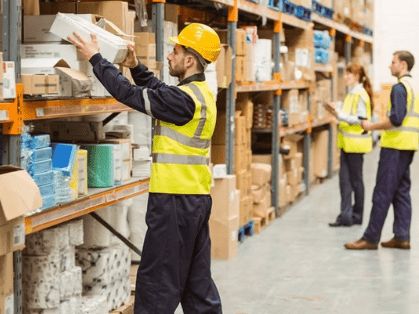
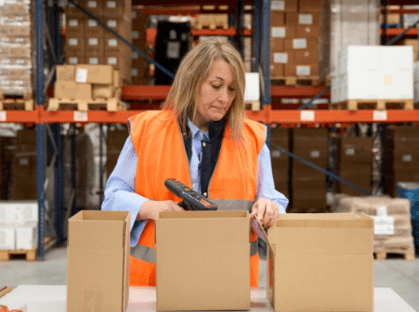
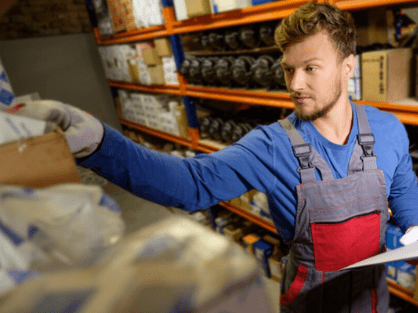
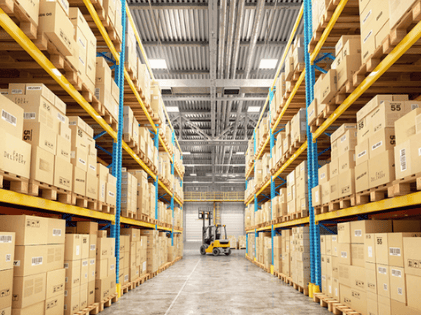
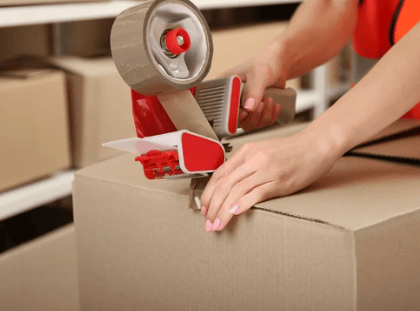
If you run an ecommerce business, you know that getting orders out quickly and accurately is the key to success - and keeping your customers happy! The journey that products take from purchase to arrival at their final destination is known as the order fulfilment process, and at the heart of this lies picking and packing.
In this Direct Fulfilment 365 blog, we're putting the spotlight on this essential process to gain a fuller understanding of the challenges involved as well as the benefits it offers. We'll also explore the possibility of outsourcing the pick-and-pack process to help you decide whether this is a sensible route for your ecommerce business.
Direct Fulfilment 365 specialises in outsourced pick-and-pack services, helping businesses streamline their operations while focusing on growth. So, let’s discover exactly what pick-and-pack actually is, how it works, and why outsourcing to a third-party logistics (3PL) provider could be a game-changer for your business!
Understanding Pick-and-Pack
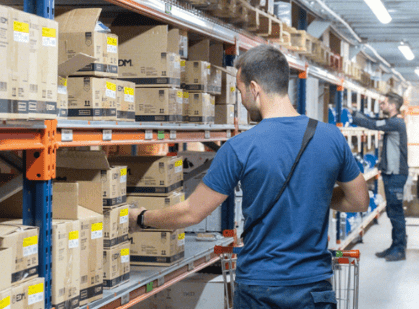
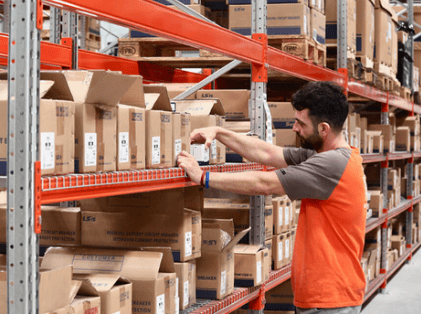
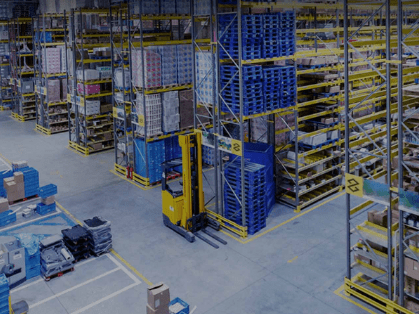
We'll start with a basic explanation: Pick-and-pack is a warehouse fulfilment process where individual items are picked from storage, packed securely, and then dispatched to customers. It’s an essential service for all kinds of ecommerce brands, retailers, and businesses that need to send out products efficiently. Although it often concerns online orders, it can also relate to those placed in-store at a physical retail building.
Sounds simple enough, doesn't it? This, however, couldn't be further from the truth! While basic in principle, the actual process requires speed and accuracy. And if mistakes are made or the task is delayed, orders are either wrong, late or both, and this is bad news.
How Does Pick And Pack Work?
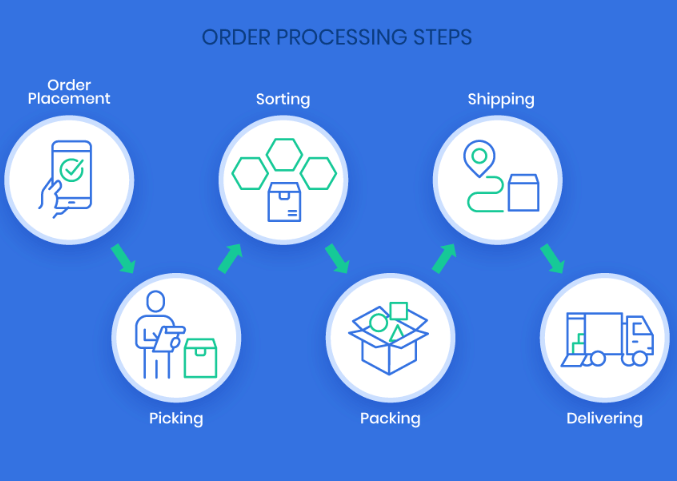
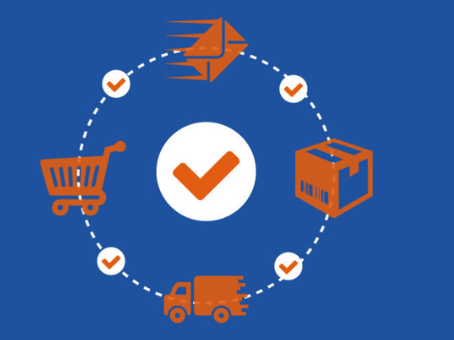
There are four basic stages to order fulfilment:
- Order received
- Picking
- Packing
- Labelling and shipping
As you can see, the pick-and-pack process is sandwiched in the middle, but it's the most important part in many ways.
To help us understand this fully, we'll break it down into manageable chunks.
Pick List Generation
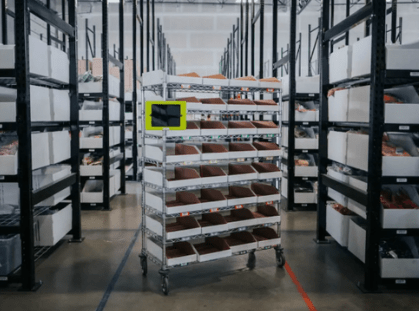
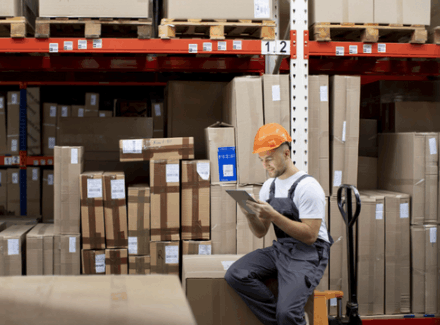
The order-picking process begins when a customer places an order and the details are sent to the warehouse management system (WMS). This system determines exactly where each item is stored and creates a picking list for warehouse operatives.
WMS is used to support the broader inventory management system within a pick-and-pack warehouse, helping to optimise the physical process of managing stock levels. Both systems are great tools for streamlining warehouse operations, improving processing times and reducing costs.
So, you have your picking list, which contains information such as:
- Product details (SKU, name, quantity)
- Storage location (aisle, shelf, bin number)
- Special instructions (e.g., fragile items, temperature-sensitive goods)
The WMS is pretty ingenious, as it keeps track of all items in stock, including their location, status and quantity. Certain types of software will also analyse the layout of the warehouse and stock locations, and then map out the most efficient route for the staff to take to collect items quickly!
Most WMS can be integrated with CRM (Customer Relationship Management) and ERP (Enterprise Resource Planning) systems to provide a coherent view of the supply chain.
Picking Methods
To speed things up even more, the warehouse team will use a range of different methods to collect items on the list. This usually depends on the warehouse layout, order volume, product variety, and order speed requirements.
Here's a quick rundown of the most commonly used picking techniques:
Piece Picking
Piece picking, also known as single-order or discrete picking, is the simplest method used in fulfilment operations. A warehouse operative picks items for one order at a time, following a picking list that guides them to the correct storage locations. This approach is particularly well-suited for small businesses or those with low order volumes, as it requires minimal training and is easy to implement.
However, as order numbers grow, single-order picking becomes less efficient. Since pickers must make repeated trips across the warehouse to retrieve items, it increases travel time and slows down fulfilment, making it impractical for high-volume operations.
Batch Picking (Multi-Order Picking)
Batch picking is a more efficient method designed to handle multiple orders at once. Instead of picking items for a single order before moving on to the next, the warehouse operative groups together orders that contain similar items and retrieves them in one go.
This reduces travel time significantly, as pickers do not need to revisit the same storage locations multiple times. Batch picking is particularly beneficial for businesses with medium to high order volumes, especially when they sell popular items that frequently appear in multiple orders. However, this method requires an additional sorting step before packing, as picked items must be allocated correctly to their respective orders.
Zone Picking
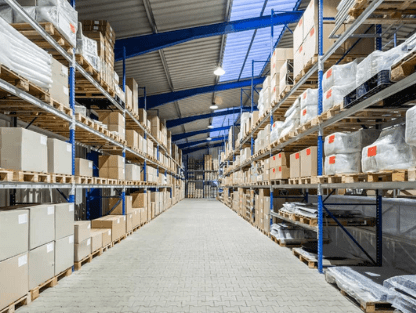
Zone picking is an ideal solution for large warehouses with diverse inventory. In this method, the warehouse is divided into different zones, and pickers are assigned to a specific area rather than moving throughout the entire facility. Each picker is responsible for collecting items from the warehouse shelves only within their designated zone.
If an order contains products from multiple zones, they are brought together at a later stage before packing and dispatch. This system improves efficiency by minimising the distance pickers need to travel, allowing them to focus on a specific section of the warehouse.
Even so, successful zone picking requires careful coordination and an effective WMS to ensure that all items are correctly consolidated before shipping. It is particularly useful for businesses with a high SKU count, such as those selling a variety of product types that need to be stored in separate sections - for example, clothing in one zone and electronics in another.
Wave Picking
Wave picking is designed for high-volume fulfilment operations that require speed and efficiency. Orders are not picked randomly but instead grouped into waves based on specific criteria such as delivery deadlines, product categories, or courier schedules.
This method allows businesses to prioritise urgent shipments and optimise resource allocation, ensuring that picking teams and equipment are used as effectively as possible. Compared to batch picking, wave picking is even more structured, making it an excellent choice for operations that deal with time-sensitive deliveries like next-day shipping.
Wave picking typically relies on sophisticated warehouse management software to coordinate the waves efficiently, making it more complex to implement than simpler picking strategies.
Automated Picking
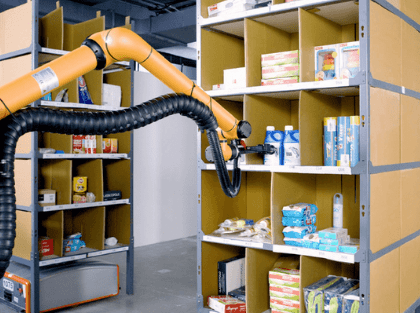
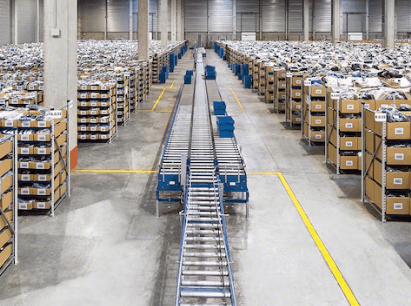
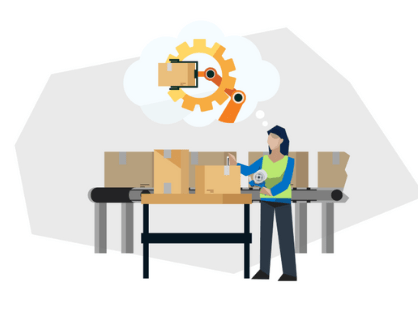
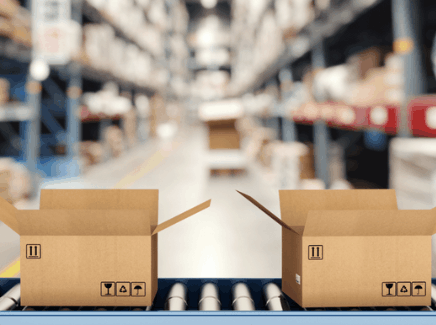
Automated warehouse picking is by far the most advanced fulfilment method, used primarily by large-scale operations handling high order volumes. Instead of human pickers manually retrieving products, robotic systems, conveyor belts, and automated storage and retrieval systems (AS/RS) take over the process. These can quickly locate, pick, and transport items with extreme accuracy, significantly reducing errors and improving efficiency.
Automated picking dramatically speeds up order fulfilment and helps businesses scale their operations without increasing labour costs. However, the initial investment required for automation is substantial, and technical expertise is needed to maintain and operate these advanced warehouse systems. For businesses looking to future-proof their fulfilment operations, automated picking offers the highest level of efficiency and scalability. Many modern ecommerce fulfilment centres already rely on automated solutions to handle thousands of orders per day with precision and speed.
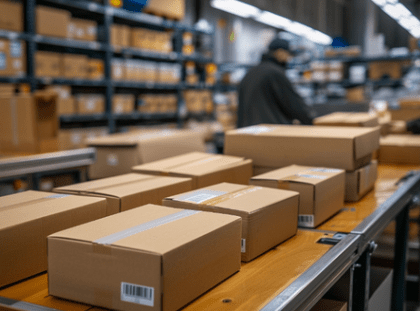
Whichever picking method is used, the items are then transferred to a packing station for the next stage in the journey...
The Packing Process
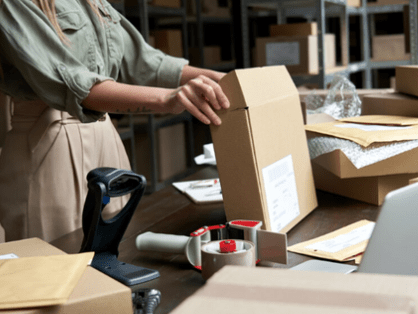
The order packing process is a crucial step in order fulfilment, ensuring that products are securely prepared for shipping. Once the correct items have been picked, they must be carefully packed to prevent damage in transit, optimise shipping costs, and create a positive customer experience. The efficiency and accuracy of packing directly impact customer satisfaction, as damaged or poorly presented orders can lead to returns and negative reviews.
Now, you might not think this is a big deal, but surveys have shown that around 80% of customers will actively avoid a brand if they have bad reviews and ratings. That's a huge figure and it should be taken seriously if you want your business to survive.
Okay, that's the lecture over - now back to packing...
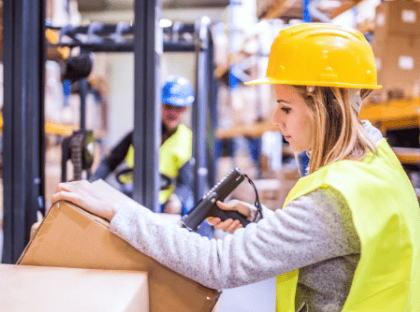
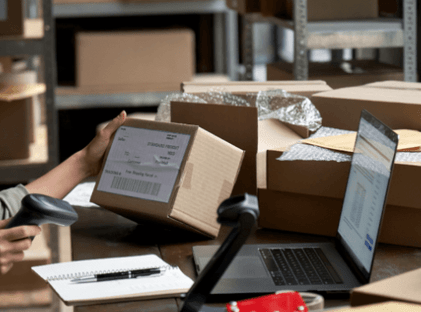
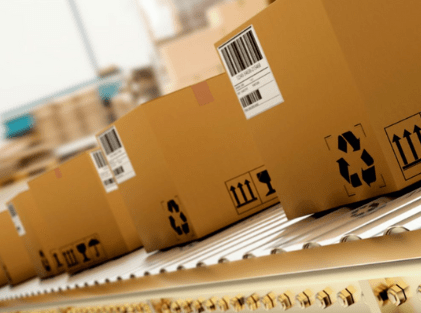
The process begins with verification, where packers cross-check the picked items against the order details to confirm accuracy and generate a packing slip. This step ensures that the correct products, quantities, and any special instructions (such as gift wrapping or inserts) are followed. Verification may involve scanning barcodes or manually checking order sheets, depending on the warehouse’s technology and scale.
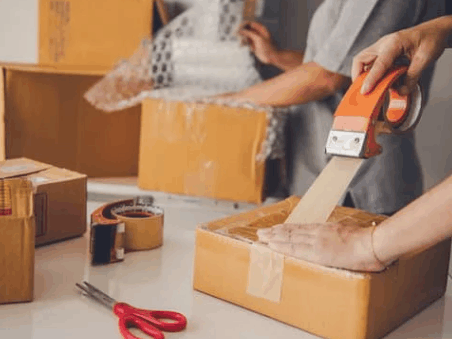
Once verified, warehouse workers place the items into appropriate packing materials. The choice of packaging depends on the product’s size, weight, and fragility. Smaller, lightweight items might be packed in padded envelopes, while bulkier or delicate goods require sturdy cardboard boxes with protective packaging materials such as bubble wrap, air cushions, or packing peanuts. Efficient packaging not only prevents damage but also helps reduce shipping costs by minimising excess space and weight.
For businesses with strong branding, custom packaging is often used to enhance the unboxing experience. Branded packaging, including boxes, tissue paper, thank-you notes, or eco-friendly options can help reinforce a company’s identity and leave a lasting impression on customers. Many ecommerce brands invest in personalised packaging to encourage repeat purchases and social media sharing.
Safety & Security
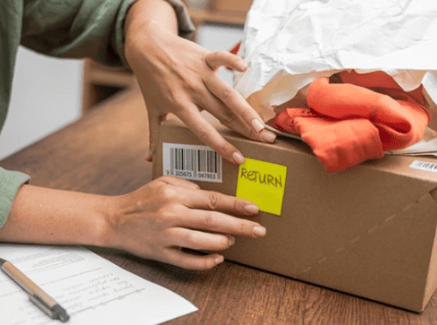
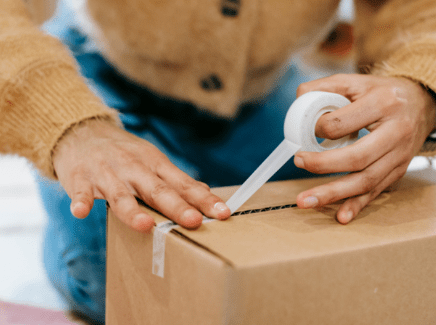
Once packed, the parcel is sealed using tape or tamper-evident packaging, depending on the product type. For high-value goods, additional security measures, such as void-fill packaging or discreet external wrapping, may be used to prevent theft. At this stage, any necessary shipping labels, barcodes, or customs documents (for international shipments) are applied to the package.
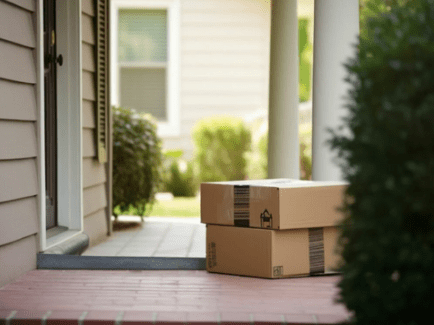
Finally, the packed order is moved to the dispatch area, ready for collection by the chosen courier. If the fulfilment centre operates with a warehouse management system, tracking details are automatically updated, and customers receive notifications about their shipment’s progress.
The effectiveness of the packing process depends on accuracy, speed, and the ability to balance cost efficiency with product protection. A well-optimised packing strategy ensures that orders arrive in perfect condition while keeping fulfilment costs under control.
The Shipping Process
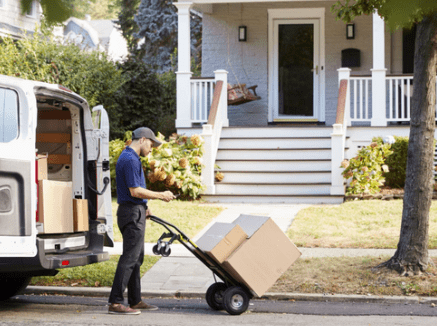
It's now time to dispatch the packages, so a specialist courier or delivery service will be used to ship the items out to the customers. Using advanced inventory management software, WMS and expert picking and packing methods, you can eliminate the risk of missing or incorrect items to ensure customer satisfaction.
While it's possible to take on all of these processes in-house, many modern businesses choose to outsource pick-and-pack operations to a third-party logistics provider like Direct Fulfilment 365. In fact, more businesses than ever before are turning to 3PLs, so now it's time to examine why this is the case.
Outsourcing Pick-and-Pack Services: A Smart Move?
Managing fulfilment can become a major challenge, especially as your business begins to grow and orders flood in. Packing boxes, organising inventory, and ensuring every order goes out on time is a full-time job. That’s where outsourcing to a specialist pick-and-pack warehouse can make a world of difference.
3PLs, like Direct Fulfilment 365, will handle the entire fulfilment process for you - picking, packing, and dispatching orders efficiently, so you can focus on the day-to-day running of your business.
Here’s why partnering with a professional UK-based 3PL is one of the best decisions you can make...
Storage Space
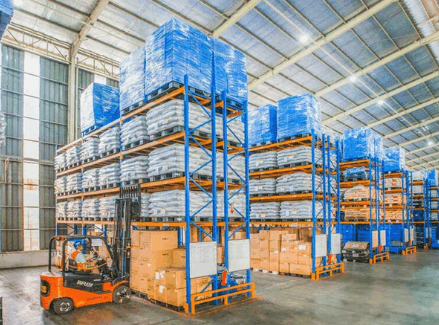
Outsourcing your fulfilment means you don’t have to worry about warehouse space, hiring staff, or managing stock manually. We take care of everything, from accurate order picking to secure packing and fast shipping, ensuring that your customers receive their orders on time, every time. With our state-of-the-art WMS, we track every item in real-time, reducing errors and improving efficiency.
Reduce Costs!
Cost savings are another huge benefit. Running your own fulfilment operation comes with expenses like warehouse rent, utilities, staff wages, packing materials, and shipping contracts. By outsourcing, you gain access to bulk shipping discounts, optimised packaging processes, and reduced overheads - all of which improve your profit margins.
While all 3PLs have their own price structure, this is often charged as a pick-and-pack fee to cover all the various stages involved. This will vary depending on certain factors, such as:
- Order Volume - Higher order volumes often lead to lower costs per unit due to economies of scale.
- Product Size & Weight - Larger or heavier items require more storage space and higher shipping fees.
- Storage Requirements - Costs vary depending on whether products need standard shelving, pallet storage, or special conditions.
- Picking Method - More complex picking strategies may influence pricing.
- Packing Materials - The type and quantity of packaging used, such as boxes, bubble wrap, or branded packaging, affect costs.
- Labour Costs - The time and workforce required to pick, pack, and prepare orders impact overall pricing.
- Technology & Automation - Warehouses using advanced pick-and-pack software or automation may have different pricing structures.
- Customisation & Special Handling - Additional services like kitting, gift wrapping, or fragile item handling may incur extra charges.
- Returns Processing - Handling and restocking returned items may come with additional fees.
Check out our post “Fulfilment centre pricing UK”.
Scalable Service
Scalability is key for any growing business. Whether you’re handling seasonal spikes or launching a new product, our flexible fulfilment solutions allow you to scale up (or down) as needed without the stress of hiring extra staff or expanding warehouse space. During peak sales periods, like Black Friday or Christmas, we’re ready to handle large order volumes with no delays or bottlenecks.
Shipping Costs
3PLs can also offer cheaper shipping as they can negotiate better rates with major delivery services, and they pass this on to the client.
How Can We Help?
Ultimately, outsourcing your pick-and-pack operations means less stress, lower costs, and happier customers. Whether you’re a small start-up or a well-established brand, we provide seamless, scalable, and cost-effective fulfilment solutions that help your business grow.
Get in touch today to find out how Direct Fulfilment 365 can take your fulfilment to the next level!
Whether you sell your product via an online store or a traditional brick-and-mortar shop, providing a positive customer experience is key to your continued success. And that means delivering a seamless order fulfilment process!
As you know, this is the art of selecting, preparing, packing and shipping a product once an order has been placed, either online or in a physical shop. Any issues along the way can cause serious problems, leading to unhappy customers and, in the end, loss of revenue.
There are two choices regarding the order fulfilment process: You can do it yourself in-house, or you can choose to outsource this operation to a company like Direct Fulfilment 365.
Today, we're looking into this topic to see exactly what 3PL companies have to offer and why you should consider outsourcing your logistics operations as part of your ecommerce fulfilment strategy - particularly if your business is growing.
What Does 3PL Mean?
The business world is stuffed with jargon, acronyms and abbreviations that can be daunting, if not downright irritating at times!
At Direct Fulfilment 365, although we use the required technical jargon, we prefer transparency, which is why we take the time to explain things to avoid confusion.
So, for the sake of clarity, 3PL stands for Third-Party Logistics.
In broad terms, a third-party logistics provider is a company that handles supply chain management, including shipping, storage, packing and all the associated processes. This can relate to large-scale freight transportation, typically business-to-business (B2B) or order fulfilment connected with direct-to-consumer (D2C) purchases.
Now that we've got this part clear, we can go on to say that 3PL fulfilment is the process of outsourcing your entire supply chain management and fulfilment operations to a third-party logistics provider.
But why would any business want to do this? Isn't it better to keep things simple and retain control over this important process? Isn't it cheaper to run these processes in-house?
It's time to look at the facts!
Have a look at our post "Best seller fulfilled prime 3PL companies".
The Transition To 3PL Fulfilment
Current statistics show that around 57% of UK ecommerce businesses have outsourced their fulfilment operations to a third-party logistics provider, and at least 50% of businesses with physical stores (i.e. they may have online facilities, but customers can order items in-store) have done likewise.
This has been a gradual transition, but the pace is accelerating due to advances in technology and the need for greater cost-efficiency in the modern business world.
How does this information relate to our quest? It's all about business growth.
Any business that doesn't grow, evolve and adapt to changing conditions and trends at a sustainable rate is at risk of failing - that's the stark reality of trading and a lesson learned the hard way by around 90% of all ecommerce businesses in the UK. Sadly, most online stores, dropshipping companies and ecommerce businesses will fold in the first four months of trading.
Let's examine the reasons for this...
- Lack of Market Research - Many businesses launch without truly understanding their target audience, competitors, or demand for their products. This results in poor positioning and a lack of sales.
- Poor Website and User Experience (UX) - Slow, clunky, or difficult-to-navigate websites drive potential customers away. A lack of mobile optimisation, confusing checkout processes, and poor design can kill conversions.
- Ineffective Marketing and Brand Awareness - Many new online businesses struggle to get noticed. Without strong SEO, paid advertising, and social media marketing, they fail to attract enough traffic to sustain sales.
- Overpriced or Underpriced Products - Pricing can make or break an online store. Overpricing drives customers to competitors, while underpricing leads to unsustainable profit margins.
- Logistics Processes and Fulfilment Failures - Late deliveries, stock management issues, or high shipping costs frustrate customers. Poor fulfilment strategies can lead to negative reviews and lost sales.
- Weak Customer Service - Slow response times, lack of support channels, and poor handling of complaints damage a brand’s reputation and reduce customer trust.
- Underestimating Competition - Many new businesses enter oversaturated markets without a unique selling point (USP). They struggle to compete with established brands on price, service, or product differentiation.
- Relying Too Much on a Single Sales Channel - Some businesses depend solely on one platform (e.g., Instagram, Amazon, or their website). Algorithm changes, policy updates, or account restrictions can shut them down overnight.
- Lack of Patience and Unrealistic Expectations - Many founders expect quick profits and give up too soon. Building a sustainable ecommerce business takes time, testing, and continuous improvement.
Perhaps the most tragic fact about all of the above reasons is that - in the majority of cases - third-party logistics (3PL) and order fulfilment could have saved the day.
If this sounds a little far-fetched, stay tuned; we'll show you exactly how a third-party logistics service like Direct Fulfilment 365 can drastically boost your chances of success!
Why Do Growing Businesses Need 3PL?
Growing a business can be thrilling, exciting and enjoyable, but - let’s be honest - it comes with its fair share of headaches! Orders are flying in, stock is piling up, and suddenly, your once-manageable fulfilment process is holding you back.
This is where a Third-Party Logistics provider steps in to take the pressure off, helping you scale smoothly without the growing pains. Whether you’re an ecommerce brand, a subscription box service, or a retailer looking to expand, outsourcing logistics and fulfilment to a 3PL (like Direct Fulfilment 365) could be the smartest move you make.
Let’s break down exactly how a 3PL can benefit your growing business...
Save Time And Focus On Growth
Right now, how much time do you spend managing stock, packing orders, and sorting out shipping? If fulfilment is eating into time that could be spent on core competencies like marketing, product development, or customer service, it’s time to rethink your approach.
A 3PL takes care of:
- Storing and managing your inventory
- Picking, packing, and dispatching orders
- Handling returns and exchanges
This means you can step back from the operational chaos and focus on what matters - growing your brand.
We'll now dissect the three points above to see exactly where you can save money and give your business a welcome boost.
Inventory Management & Storage
If you handle the order fulfilment process in-house, you'll need adequate storage, which means buying or renting a warehouse. With a third-party logistics company, you send some (or all - it's up to you!) of your stock to the 3PL's fulfilment centres, where the products are immediately available for processing.
So, you don't have to worry about renting or buying warehouse space!
To keep everything running smoothly and avoid errors, you'd also be advised to invest in warehouse management software, as well as staff to pick, pack and ship orders.
You need to keep a close eye on inventory to ensure that you have the right stock at the right time. It's very easy to overstock or to run out, and that's not great for customer satisfaction!
With Direct Fulfilment 365, you can be certain that our warehouse management systems won't let you down. We integrate our system with your own, meaning that you have real-time access to stock and inventory levels at all times.
Pick, Pack, & Ship
This is the clever part: customer orders are processed at strategically located warehouses (or fulfilment centres), allowing for same-day dispatch in most cases. Because of this and the streamlined order fulfilment process, the customer receives their goods swiftly, leading to better feedback.
Most companies that offer fulfilment services use advanced warehouse management systems and trained staff to practically eliminate errors. These might include picking the wrong items, using the incorrect address or sending the wrong size/colour/model, etc. This is a great way to improve customer satisfaction and build your reputation as a reliable seller.
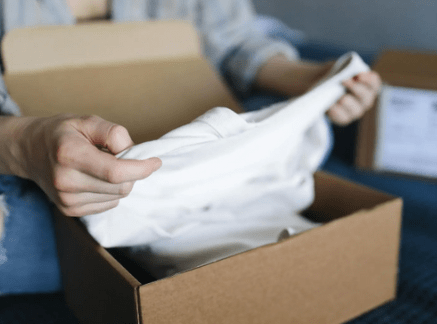
Once the order has been collected, the item (or items) are passed to a packing area where they are professionally packaged using appropriate materials. If preferred, custom packaging can be used, which is a great way of boosting your brand awareness. Besides, customers are often willing to pay higher prices for goods in branded packaging as they lend an air of quality.
Check this out "What is a pick and pack service".
Faster, More Reliable Deliveries
A shipping label accompanies each order, bearing all the relevant information. As part of the quality control checks, the staff will ensure that this information is correct before the item is shipped out.
Most delivery services these days offer real-time tracking, so both you and your customer know where the package is at any time, which is yet another positive aspect.
If they're anything like Direct Fulfilment 365, your chosen 3PL will use reputable couriers with a proven track record of reliable service. Most third-party logistics companies establish contracts with the leading delivery services, allowing them to offer multiple shipping options to their clients.
This also enables 3PL providers to negotiate exceptionally low shipping costs, which you can pass on to the customer.
UK & International Shipping
Whether your orders are heading to various parts of the UK or overseas, 3PL providers work with reliable shipping companies to make sure they get there swiftly and in one piece. Most fulfilment centres are strategically placed by major hubs (rail, road and air) to speed up the shipping process.
All reliable third-party logistics providers offer to complete customs documentation and deal with international shipping regulations, which helps to avoid delays.
Again, you reap the rewards here, as the customer will be happy that orders will arrive in good time!
Reverse Logistics
Statistics suggest that around 1 in 5 online purchases are returned to the seller - though this figure largely relates to fashion and clothing sales.
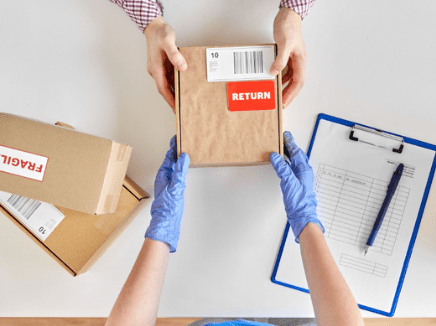
Nevertheless, you need a sound returns management strategy to avoid being swamped with goods that buyers have sent back. These must be processed, checked for damage or defects, and returned (if possible) to the inventory for reselling.
All of this takes time, effort and resources that can divert you away from core operations and drain your budget.
Partnering with a 3PL company that handles reverse logistics can be a lifesaver; they will take care of everything for you at their fulfilment centres, from checking the products to re-listing them on the inventory. Some will even refurbish, repair or recycle items, and anything that can't be rescued will be disposed of responsibly.
Don’t miss our post "How to reduce returns in ecommerce".
Scale Your Business Growth Without The Overheads
As your business grows, so do your costs. With increased order volume, you require more stock, extra space, and more staff for picking and packing.
You then need to train staff, pay their wages and handle all the accompanying issues, such as sick pay, absences, paid leave, pensions, benefits, etc., all of which eats into your budget as well as your precious time!
Also, more stock means more warehouse space, so you'll need to consider moving to bigger premises, and that can be expensive.
Finally, your shipping costs will rise as you're dispatching more orders. In fairness, larger volumes might allow you to negotiate better rates with the leading couriers and transportation services. However, you'll rarely be able to secure the favourable rates that 3PL companies can achieve.
Why Do You Need 3PL Fulfilment?
We've covered all the main factors and processes involved, highlighting some of the cost savings to be made and the benefits that 3PL offers.
If you're a business owner or manager, you might now be wondering if it's the right choice for you, and we're here to help you reach the right conclusion.
We realise that a third-party logistics provider may not be the best option for some businesses, but - on the whole - it will be a vital move for most, offering a lifeline to those who are struggling with the costs and the volume of orders.
In this part of our blog, we'll break things down even further to get a coherent picture of the key benefits of outsourcing fulfilment to a 3PL logistics company. We'll also reveal the extra advantages you could enjoy by signing up to Direct Fulfilment 365's 3PL services.
Seamless Integration
We ensure that our software fully integrates with your existing systems, allowing you to manage inventory and core business operations from a single point. So, you have all the data and information at your fingertips whenever you need it and wherever you are.
Our advanced software can also connect multiple sales channels, helping you meet market demands more easily without having to juggle several systems at once. This eliminates the risk of stockouts or overselling - something that makes sellers seriously unpopular!
The system generates reports and regular updates to advise you of stock levels, trending products and best-sellers, as well as other handy metrics.
You reduce costs by avoiding the need for expensive software and improve supply chain efficiency at the same time.
Warehouse Space
Allowing us to run your warehousing operations helps you avoid fixed costs. You avoid having to use capital investment to secure adequate storage space, and as your business grows, we adapt our service to suit.
You benefit from variable costs, and you don't have the hassle of seeking a suitable warehouse.
What's more, if seasonal trends or fluctuations affect stock volumes, we can accommodate these easily, whereas you'd be paying for a half-empty warehouse if you were renting directly.
Order Accuracy
Nothing kills customer satisfaction more than late deliveries, incorrect items, or poorly-packed orders!
With advanced inventory management, streamlined order fulfilment and strict quality control measures, 3PL providers will drastically reduce instances of incorrect or defective items being shipped. Your third-party provider will also use superior packaging (including branded or custom packaging) to boost customer satisfaction.
Finally, as the orders will be completed swiftly, the packages will be dispatched on time - on the same day in many cases. This allows you to meet customer expectations by getting their orders to them within one or two days, and maybe even next-day delivery!
Supply Chain Integration
Like most leading 3PL providers, Direct Fulfilment 365 handles your entire supply chain. We are experts in the field of transportation management, able to deal with every aspect of the B2B or D2C chain.
We connect all the links in the chain, including:
- Suppliers
- Manufacturers
- Warehouses
- Delivery services
A third-party logistics company ensures that everything runs smoothly, communicating with all the various people involved and providing necessary services in between.
This gives you more control over supply, efficiency and the cost of goods, streamlining the entire process to provide cost savings.
Leverage Industry Expertise
Partnering with a 3PL fulfilment provider isn't just about efficient warehousing and dealing with your shipping requirements. In addition to all of the above benefits, you have access to invaluable advice and support and value-added services.
This is the real secret behind the success of all those businesses that have embraced 3PL.
Yes, you can save money by streamlining your business and outsourcing logistics operations. But you also gain an extremely valuable commodity: Time.
To grow your business successfully, you need a team you can trust to take care of those necessary but time-consuming tasks. With Direct Fulfilment 365, you can rest assured that our order fulfilment services are second to none and that you can rely on us to prepare and dispatch orders accurately and on time. And if you require us to look after your wider supply chain efficiency, we'll take as much care over this as our other service offerings.
The outcome of all this is that you can leave all this to us and focus on the important stuff. This will go a long way to helping you avoid all of those pitfalls that we mentioned earlier.
Gain A Competitive Edge
By outsourcing your fulfilment, you can focus on what truly matters: developing exciting new products, refining your marketing strategy, and engaging with your customers. Instead of getting bogged down by warehouse management, shipping complexities, and rising operational costs, you can channel your energy into scaling your brand.
For example, with our seamless fulfilment services, you’ll have the flexibility to launch new products faster, adjust pricing and promotions with confidence, and respond swiftly to market trends. While your competitors struggle with logistical headaches, you’ll be delivering a smooth, professional customer experience that keeps buyers coming back. Partnering with a 3PL isn’t just about making life easier, it’s about giving your business a real competitive edge.
Final Thoughts: Is It Time to Outsource Your Fulfilment?
If you’re spending too much time on logistics, struggling to meet customer expectations, or feeling overwhelmed by operational costs, it’s definitely time to consider a 3PL!
At Direct Fulfilment 365, we help businesses like yours scale effortlessly, delivering fast, reliable fulfilment so you can focus on growing your brand.
Ready to take your business to the next level? Get in touch today, and let’s make fulfilment your biggest strength!
Are you planning to launch an ecommerce business? If so, you may be agonising over the choice between dropshipping and ecommerce fulfilment, which is a good sign. And even if you've been running an ecommerce site for some time, you might still be wondering if you've chosen the correct business model.
Why - you might ask yourself - is it good that you're struggling to decide between these two separate business models? Because it means that you're doing your homework and taking it seriously!
With a huge failure rate in online business (something like 90% in the first year), it's absolutely vital that you undertake as much research as possible before starting your business.
So, we're glad to see you here on this special Direct Fulfilment 365 blog that's designed to help you decide which is the best path for your business. We'll dismantle each option to see how they work, look at the benefits and drawbacks of each one, and present a summary at the end.
To begin with, though, we'll highlight a few useful statistics about the world of online shopping and illustrate the importance of seeking help and maximising every opportunity.
Starting An Online Store: Easier Than Ever?
On the whole, starting an online business has never been easier. This is partly due to advances in technology, the advent of multiple user-friendly ecommerce platforms, changes in shopping habits among consumers, as well as several other factors.
In 2023, there were around 60 million ecommerce users in the UK, and that figure is projected to rise by at least two million by the end of 2025. The total revenue for online sales in the UK is expected to reach £150 billion by 2027.
Finally, online sales account for around 30% of all retail purchases in the UK, and this is consistently growing year on year.
By all accounts, the signs are looking positive for anyone with an ecommerce store or online business!
However, success is far from guaranteed...
As we already said above, the failure rate is astonishingly and depressingly high, with most businesses closing down within the first four months. While there are many reasons for this, one of the biggest causes (according to surveys) is that the competition is simply too great.
To be clear, we don't share these statistics to make you feel disillusioned, disheartened or terrified of going ahead. At Direct Fulfilment 365, we're all about being positive, offering workable, realistic and viable solutions that massively increase your chances, not only surviving in a crowded market but thriving and growing.
Keep this in mind as we now dive into a comprehensive breakdown of these two business models: dropshipping Vs ecommerce fulfilment. Hopefully, the importance of this exercise is perhaps more apparent now. By the end, you'll have a clear idea of what's involved and which model might be the best option.
The Ecommerce Fulfilment Business Model
"Order fulfilment" is at the heart of all ecommerce sales. In simple terms, it describes the entire process from the moment a customer places an order by clicking on the 'buy now' button in their virtual shopping cart, right through to the minute the item arrives on their doorstep.
And if you want to succeed in retail, it's imperative that the order fulfilment process runs smoothly to provide a positive customer experience.
The stages of the fulfilment journey are as follows:
- Order Received - A customer orders an item from your online store.
- Order Processing - The order details are verified, and payment is confirmed.
- Inventory Check - Stock levels are checked to ensure product availability.
- Picking - The required items are retrieved from storage or the warehouse.
- Packing - Products are securely packaged.
- Dispatch & Shipping - The package is labelled and handed over to a courier or shipping service.
- Tracking & Notifications - The customer receives tracking details and updates.
- Delivery - The package is delivered to the customer’s address.
- Returns & Customer Support - Returns or exchanges are processed if required.
- Providing customer service - Queries and complaints must be dealt with!
Each one of these steps is as important as the other, and getting any one of them wrong can severely dent your profit margins! Customer dissatisfaction leads to negative reviews and ratings, and these must be taken seriously. Here are some more sobering statistics to drive home the importance of this point:
- Around 80% of customers won't buy from an online store again following a negative post-purchase experience. The same amount will avoid you after a bad returns experience.
- 86% of buyers will abandon a favourite brand after two or three negative customer service experiences. 32% of those will only put up with one bad experience, even if it's a brand they love.
- Approximately 72% will avoid a brand if they're not happy with the service, even if it's the first time they used it (this can be before they even make a purchase!).
- 85% of consumers won't use a brand after a negative delivery experience.
The fact is that customers are much more demanding these days. In a world where technology is rapidly advancing and making everything instantly available or delivering services more quickly, consumers expect perfection. The fact that you're human is not a good enough excuse; you're not allowed to make any errors or offer a less-than-perfect service!
Breaking Down Order Fulfilment
Any ecommerce business has two choices when it comes to fulfilment: They can handle everything themselves or outsource the entire process to a third-party supplier like Direct Fulfilment 365.
We're going to dissect the fulfilment process in full to see what's involved and explore the potential advantages of using a third-party logistics provider.
Order Placement & Processing
It all starts when a customer places an order on an e-commerce website or marketplace (Shopify, Amazon, or Etsy, for example). Once the order is confirmed, details such as product selection, customer address, and payment information are sent to the fulfilment system.
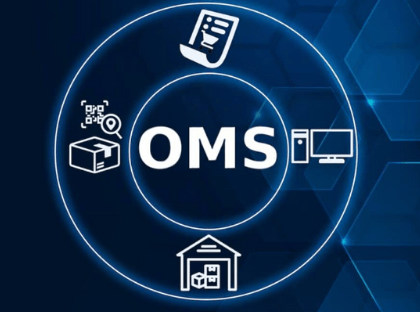
Typically, the order is then logged onto an order management system (OMS), and the item is checked to see if it is in stock. The customer will then receive a confirmation email.
If a business handles fulfilment itself, someone manually processes the order and prepares it for packing.
However, if a 3PL provider is used, their system automatically receives the order and begins the next stages of the purchasing journey.
Inventory Management & Picking
Efficient inventory management is the backbone of smooth fulfilment, and many businesses use warehouse management software (WMS) to track stock levels in real time and prevent overselling.
We understand that having to manage inventory and stock levels can be a headache, which is why thousands of online sellers and ecommerce businesses are moving to 3PL providers like Direct Fulfilment 365. In most cases, ecommerce merchants send a percentage of their stock to our fulfilment centres, where we take care of inventory management (even for multiple sales channels). Even so, you have real-time access to the data, allowing you to monitor stock levels and make any necessary orders and adjustments.
Before an order can be packed, the right products need to be located in the warehouse or storage facility. This is called picking, and there are several methods involved, depending on the size of the business (and whether they outsource to a 3PL).
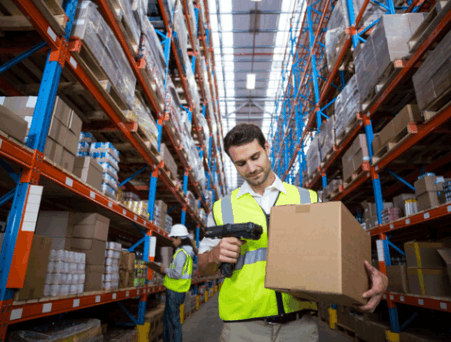
The fulfilment team (or automated warehouse system) receives a picking list detailing the items needed. Products are retrieved from storage using barcode scanners to ensure accuracy, and stock is allocated an SKU (Stock Keeping Unit) for easy and accurate identification.
To speed things up and further reduce the risk of any picking errors, the software calculates the optimum route around the warehouse, and the picked items are then transferred to the packing station.
And now, we move on to the next step!
Packing The Order
Once picked, the order moves to the packing stage, where it is prepared for safe shipment. This means choosing appropriate packaging materials to keep the items safe during transit, such as padded envelopes, sturdy boxes, bubble wrap and paper fillers.
It's also an opportunity to increase brand awareness, so custom branded packaging is often used. Not only is this a great method of increasing visibility, but it also boosts confidence in your products; consumers regard branded packaging as a sign of quality and are generally inclined to spend more on items with custom branding!
Eco-friendly packaging is an excellent option for any business that wants to reduce its carbon footprint and present an image of sustainability. All reliable 3PL and fulfilment companies will offer this, including Direct Fulfilment 365 - most of our packing materials are recyclable or biodegradable.
During the packing stage, promotional material, personalised notes, discount vouchers and 'freebies' can be inserted to improve customer satisfaction and encourage brand loyalty.
Finally, and most importantly, a shipping label will be included along with a packing slip. These will hold all the important information, such as the customer's address and all the relevant details about the item. If you're handling the fulfilment yourself, it's up to you to make sure this is correct. Customers get very upset - understandably - if their package goes astray or to the wrong address. The same applies if they receive the wrong product.
When you use a 3PL/fulfilment expert like Direct Fulfilment 365, they double-check all this as part of the dispatch process. We perform product quality checks to ensure everything is as it should be before sending any orders out. This eliminates errors, reducing the risk of unhappy customers!
Read our post "What is a pick and pack service".
Shipping
The order is now ready for shipping, so it's up to you to choose a trusted courier or delivery service that can get the package out on time.
Consumers these days expect swift delivery, and most aren't keen on paying high delivery prices, meaning that you need to keep shipping costs as low as possible.
As a third-party supplier, Direct Fulfilment 365 has established contacts with leading delivery companies, allowing us to secure favourable rates, and this can be very beneficial, especially for small business owners who may not be able to negotiate such excellent prices.
Whichever company is used, the courier typically supplies real-time tracking information, allowing you and the customer to keep tabs on the item throughout its journey.
The Dropshipping Model
It may seem odd to some readers that dropshipping is regarded as an alternative to 'traditional' ecommerce methods! Technology, online selling and shopping habits have evolved so quickly in the last couple of decades that we can now refer to certain aspects as 'traditional'.
But what is the dropshipping ecommerce business model, and is it a better choice for you? We're about to find out...
Check out our post “How do dropshippers fulfill orders”.
What Is A Dropshipping Store?
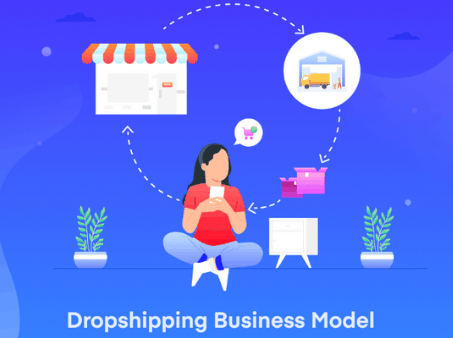
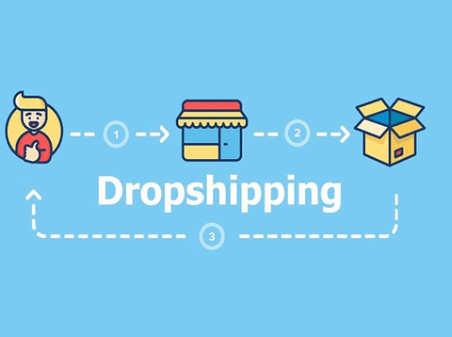
Dropshipping companies are those that sell products or services online but don't hold a physical inventory and don't handle shipping. Essentially, the online retailer is a middleman.
To explain further, a dropshipping business has an online store, but when an order is placed, the business buys the item from a wholesale supplier who ships customer orders directly from their warehouse.
In other words, you sort out the storefront, marketing and customer services, while dropshipping suppliers take care of storage, inventory and shipping.
It's a much simpler method of selling online, especially for new business owners, as you don't have the headache of dealing with your own inventory or renting warehouse space.
That's it, basically - and as you can see, it's a much simpler process than ecommerce fulfilment, which is why we've already finished explaining it!
Dropshipping Vs Ecommerce Fulfilment: Which Is Best?
To answer this, we need to be honest about the benefits and drawbacks of each method, so let's dive in, starting with electronic commerce fulfilment (including 3PL)...
Ecommerce Fulfilment Pros & Cons
First, the good stuff that makes this business model very attractive:
- Faster Shipping Times - Holding stock locally allows for faster delivery, especially if you work with a UK-based fulfilment centre or 3PL provider.
- Higher Profit Margins - Buying in bulk at wholesale prices means lower costs per unit and better profit margins. This allows you more flexibility to set your own retail prices.
- Better Brand Control - You control the packaging, branding, and customer experience, allowing for custom-branded unboxing experiences.
- Reliable Stock Management - You know exactly what’s in stock, reducing the risk of overselling or disappointing customers.
- Easier Returns & Customer Support - Handling returns and exchanges in-house or through a 3PL ensures a smoother, more professional customer experience.
- Save money on warehouse rental - If you use a 3PL provider, you don't need to worry about storage space or any of the hassle that goes with this.
- Higher customer satisfaction - This method provides the opportunity to speed up order fulfilment, eliminate errors and get the products to the customer quickly, boosting positive reviews and increasing customer loyalty.
But what about the downsides, if any?
- Higher upfront costs - You'll need to purchase inventory, which requires capital investment, and unsold stock can lead to losses.
- Storage & warehousing costs - If you manage fulfilment in-house, you need space, staff, and logistics systems to store and ship products efficiently.
- More time-consuming - Handling stock, packing, and shipping takes time, especially as your business grows.
- Scaling can be challenging - Managing large volumes of orders requires additional warehouse space and staff or outsourcing to a 3PL provider.
However, outsourcing your retail supply chain to Direct Fulfilment 365 can overcome all of these issues!
Dropshipping Pros & Cons
We'll start with the plus points:
- Low startup costs - You don't need to invest in inventory upfront.
- Minimal overheads - No need to rent storage space or hire staff for picking and packing duties.
- Wider product range - You're not limited due to storage or inventory issues.
- Easy to start and scale - You can launch your online store quickly and add products without all the worry of having to manage inventory or stock levels.
- Independence - A dropshipping merchant can run their business from anywhere as long as they have an internet connection!
And now the negatives:
- Lower profit margins - You pay the supplier for fulfilling your orders, meaning that you don't make as much from sales.
- Longer shipping times - Dropshipping retailers often buy from overseas, with most items coming from China, meaning that orders can take weeks.
- Less control over product quality - If your supplier sends a faulty item or runs out of stock, this reflects badly on your business.
- Returns can be difficult to manage - Returning items can be very costly and complex as they come directly from suppliers (often overseas).
- Highly competitive market - Unofficially, around 140,000 dropshipping businesses are operating in the UK, making it difficult to stand out unless you invest heavily in branding and marketing.
The Verdict?
Ultimately, the right choice depends on your budget, business goals, and how much control you want over the fulfilment process.
But that's a bit of an unsatisfactory answer and may not be very helpful! So, here's a quick guide that might be useful in helping you decide...
Choose Dropshipping If:
- You want to start a business with minimal investment.
- You prefer not to manage inventory or logistics.
- You’re focused on marketing and testing product demand.
- You don’t mind longer shipping times or thinner profit margins.
Choose E-commerce Fulfilment If:
- You want complete control over stock, branding, and customer experience.
- You’re willing to invest in inventory for higher profit margins.
- You want faster shipping times and easier returns.
- You’re building a long-term, scalable brand as your business develops.
In conclusion, it may seem as if we at Direct Fulfilment 365 favour 3PL order fulfilment over dropshipping, but the truth is that both can be excellent business models if handled properly.
In fact, there's no reason why you can't do both! Many successful businesses use a hybrid model, starting with dropshipping to test products and then moving to e-commerce fulfilment for best-sellers. This allows you to minimise risk while maximising profits.
However, the best way to get the most from your business is with 3PL services, and that's where we excel. Whether for dropshipping partnerships or ecommerce order fulfilment, we'll help you streamline processes and increase profit margins, ensuring your business stays ahead of the competition.
So, when you're ready for the next level, contact Direct Fulfilment 365 to put your business on the road to success.
If you run, own or manage a business of any kind, you'll probably be familiar with the word 'fulfilment'. Whether it's B2B, D2C, an online store or a traditional brick-and-mortar shop, fulfilment is an essential part of the process.
Order fulfilment is the cornerstone of effective, successful business operations; if you handle any stage of the fulfilment process badly, you risk alienating your customer base, which can severely dent your profit margins. Poor reviews and negative ratings will, eventually, put your entire business at risk. Customer expectations are higher than ever these days, and it's vital to meet - or even exceed - these whenever possible.
While many businesses deal with the fulfilment process in-house, assuming that it is the most cost-effective option, others are discovering the benefits of using a third-party fulfilment provider. One of the benefits often mentioned is that outsourcing the fulfilment process can offer significant savings, while in-house fulfilment sometimes has unexpected - and unwelcome - costs.
In this special Direct Fulfilment 365 blog, we're looking into this topic to give you the full facts. Armed with this knowledge, you'll be able to make informed business choices that increase your chances of success in a competitive market.
In-House Fulfilment - What Are The Costs?
In-house or self-fulfilment carries several costs, some of which are obvious and others that come as a shock to many of those who immerse themselves in the world of retail sales.
To find the hidden costs, we need to examine every area where you'll be expected to invest capital relating to your fulfilment process.
And we're starting things off with a pretty significant hidden cost factor:
Warehousing Costs And Storage Expenses
Storing inventory isn’t just about having enough physical space to stack boxes; it comes with a whole range of other costs that many businesses overlook. It’s easy to assume that once you’ve sorted out adequate warehouse space, the hard part is over. But in reality, storage facilities require constant upkeep, and these expenses can quickly spiral.
Whether you rent or own a storage facility, you're not just paying for the square footage - you’re also covering a host of additional costs, including:
- Rent or mortgage payments – A major ongoing expense that fluctuates depending on location, warehouse size, and market conditions. In high-demand areas, rental costs can skyrocket, putting further pressure on profit margins.
- Property insurance and taxes – Essential yet often expensive, especially for larger warehouses or those storing high-value or fragile goods that require specialist cover.
- Security systems and personnel – Theft, vandalism, and accidental damage can lead to huge losses, making robust security essential. This means CCTV, alarm systems, access control, and often dedicated security staff - each adding to the overall cost.
- Climate control and maintenance – Many products, from food and pharmaceuticals to electronics and cosmetics, need carefully controlled temperature and humidity levels. Running industrial heating, cooling, and ventilation systems not only adds to energy costs but also requires regular servicing and repairs to prevent breakdowns.
On top of all this, these costs aren’t always predictable. Seasonal demand can throw everything off balance - one month, your warehouse might be overflowing, and the next, you’re paying for half-empty space. This inefficiency means businesses often spend far more than necessary, tying up capital in underused storage and reducing overall profitability. When these hidden expenses start piling up, what initially seemed like a cost-effective approach to fulfilment can quickly turn into a financial drain.
Labour Costs
If you have a warehouse, you'll need staff to work there!
After all, you can't exactly do all the warehouse operations such as picking, packing and shipping yourself, can you? Joking aside, this may be a sore point for small businesses, where family members and friends are often roped in out of necessity (and even desperation) to fulfil orders on time.
However, this isn't a sustainable or particularly healthy way to run things. In the end, you'll need to employ staff, either on a temporary or full-time basis.
Taking on staff carries a raft of costs that you need to consider, such as:
- Salaries, wages, and overtime pay
- Recruitment, training, and retention expenses
- Employee benefits, including pensions and healthcare
- Sick leave, holiday pay, and unexpected absences
And as your business grows or fluctuates with the seasonal demand and trends, you need to adapt and evolve. This means taking on extra staff when necessary and letting people go during slack times.
Maintaining sufficient staff levels can be challenging and costly!
Packaging Costs
This is a tricky area, as you might assume that packaging materials can be sourced at a low cost. While that’s technically true, the reality is more complex. Opting for cheaper materials can often backfire, leading to damaged goods, lost orders, and disappointed customers. A flimsy box or weak adhesive might not seem like a big deal - until a customer receives a crushed parcel or missing items due to packaging failure.
Beyond the financial cost of replacements and refunds, poor packaging creates a negative impression of your online store or ecommerce business. Customers associate careless, substandard packaging with a lack of professionalism, and this can impact your brand reputation, customer retention, and, ultimately, sales. In today’s competitive market, where unboxing experiences are widely shared on social media, packaging is as much about brand perception as it is about protection.
For these reasons, it’s worth investing in high-quality packaging materials and essential fulfilment equipment, such as:
- Boxes, tape (and tape dispensers), and labels - These are the basics, but they are crucial for keeping orders secure and properly identified.
- Padded envelopes, bubble wrap, packing 'peanuts' or filling paper - Necessary for protecting fragile or delicate items during transit.
- Barcode scanners, adequate shelving, and racking - These improve efficiency, helping to streamline inventory management and order processing.
- Packing stations and automation tools - Investing in these can significantly speed up fulfilment and reduce errors, saving both time and money in the long run.
Although buying in bulk can help lower costs, businesses need to strike a careful balance between maintaining sufficient stock levels and avoiding unnecessary storage costs or material wastage. Overstocking can tie up cash flow, while under-ordering can cause costly delays and fulfilment bottlenecks. By carefully managing packaging supplies, businesses can improve efficiency, reduce waste, and ensure that every order leaves their warehouse in perfect condition.
Shipping And Carrier Fees
Businesses often find it challenging to secure competitive shipping rates because they simply can’t match the order volumes that third-party logistics (3PL) providers handle. Carriers typically offer better rates to high-volume shippers, meaning smaller businesses end up paying more per parcel. But higher base rates aren’t the only issue - there are plenty of hidden charges that can quickly eat into margins, including:
- Dimensional weight pricing - Many couriers don’t just charge by weight; they also factor in the size of the package. This means that even lightweight but bulky items can rack up unexpectedly high shipping costs.
- Last-mile delivery surcharges - The final leg of the journey, from the distribution centre to the customer’s doorstep, is often the most expensive and least efficient part of the process. Rural deliveries, peak-time surcharges, and extra handling fees can all push costs even higher.
- Address correction fees - Even a minor typo in a delivery address can trigger additional charges. Couriers charge for rerouting or correcting incorrect addresses, adding another layer of unexpected expense.
- Returns processing and customer service - Handling returns isn’t just about accepting packages back; it involves restocking, quality checks, potential repackaging, and customer support - all of which add to fulfilment costs.
3PL providers like Direct Fulfilment 365, on the other hand, benefit from economies of scale. Because they process thousands - if not millions - of shipments, they have pre-negotiated contracts with carriers that secure them significantly lower rates. These savings are often passed on to their clients, helping businesses cut costs while still offering competitive shipping options to customers. Plus, with streamlined processes and optimised logistics networks, 3PLs can reduce the risk of costly delays, errors, and inefficiencies, ultimately improving both profitability and customer satisfaction.
Technology And Software Investments
Efficient fulfilment isn’t just about having enough stock on hand - it requires robust, integrated systems to manage inventory, process orders, and track shipments in real time. Without the right technology, businesses risk stock discrepancies, delayed deliveries, and errors that frustrate customers and eat into profits. The challenge is that these systems don’t come cheap, and the costs go far beyond the initial setup. Businesses need to invest in:
Warehouse Management Software (WMS)
Essential for tracking inventory levels, optimising storage space, and ensuring efficient picking and packing. Without it, businesses may struggle with misplaced stock, order delays, and wasted time searching for items.
Order Management Systems (OMS)
Helps synchronise sales channels, ensuring that stock availability is accurate across marketplaces and preventing overselling or stockouts.
API Integrations With eCommerce Platforms
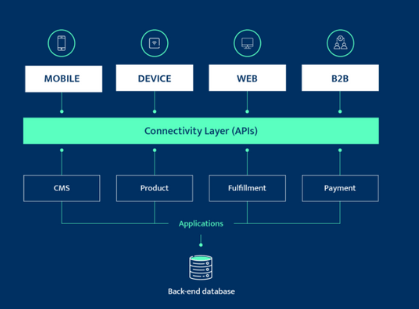
Seamless connectivity between warehouses, online stores, and carriers is crucial for smooth operations, but developing and maintaining these integrations can be costly and complex.
IT Maintenance And Security
With cyber threats on the rise, businesses must invest in secure systems to protect sensitive customer data and prevent costly breaches. Regular system updates, data backups, and security patches are all necessary ongoing expenses.
On top of these costs, businesses also face ongoing licensing fees, training costs for staff, and regular software updates to keep systems running efficiently. Without continuous investment, outdated systems can cause bottlenecks, inefficiencies, and errors that disrupt fulfilment and lead to customer dissatisfaction. While technology is a crucial asset, managing these systems in-house can become a significant financial and operational burden.
Scalability Challenges
All businesses must adapt to changing conditions - this is the general rule. Commerce is fluid and dynamic, and any business that stagnates will be left behind. While growth at any cost is never a wise strategy, businesses should always strive to grow at a sustainable rate.
Even so, scaling an in-house operation isn’t just about growing - it’s about managing that growth efficiently. Expanding means investing in more warehouse space, hiring additional staff, and purchasing extra equipment, all of which can lead to sudden and unpredictable cost spikes. Unlike a steady, gradual increase, scaling often requires significant upfront investment, and if demand doesn’t stay consistently high, these investments can quickly turn into financial burdens. Businesses may also face challenges such as:
- Seasonal demand fluctuations - A surge in orders during peak seasons requires more resources, but when sales slow down, businesses may be left with excess capacity and high overheads.
- Inefficiencies in handling peak periods - Scaling too quickly without optimised processes can lead to errors, delays, and overwhelmed staff, ultimately harming customer satisfaction.
- The cost of unused resources during off-seasons - Warehouses, equipment, and staff can become unused when demand drops, yet businesses must still cover wages, rent, and maintenance costs.
Without careful planning, businesses can find themselves trapped in a cycle of overspending during busy periods and struggling to cut costs when sales dip. The unpredictability of scaling in-house operations can make it difficult to maintain profitability, especially when rapid changes in market conditions or consumer behaviour come into play.
Now that we've covered the main costs involved, it's time to check out the cost efficiency of outsourcing fulfilment.
Is Outsourcing Order Fulfilment Cheaper?
On the whole, experts suggest that businesses can save money by outsourcing their fulfilment operations to a 3PL provider. It's estimated that most can reduce costs by around 15%, although this depends on the business and the outsourced provider. However, the benefits aren't limited to purely financial aspects - at least in the long term. Improved cost effectiveness, coupled with streamlined order processing and better customer relationship management, can dramatically boost your brand status, and that's a valuable commodity these days.
Positive customer feedback goes a long way to securing brand loyalty among consumers who are notoriously fickle and difficult to please.
But to return to our main theme, here's an overview of how outsourcing your fulfilment and logistics infrastructure to a fulfilment company like Direct Fulfilment 365 could be cheaper than handling this yourself...
Lower Overheads And Fixed Costs
Third-party suppliers take on many of the costs that come with warehousing, technology, and labour, significantly reducing the financial burden on businesses. Instead of sinking money into securing their own facilities, with long-term leases, storage fees, staffing, and equipment, companies simply pay for the space and services they actually use. This transforms hefty fixed expenses into flexible, variable costs that scale with demand.
Take the Direct Fulfilment 365 fulfilment centres, for example. Each one is already fully equipped with trained staff, optimised storage systems, and advanced technology to ensure smooth, efficient order processing. There’s no need for businesses to worry about hiring and training warehouse employees, maintaining expensive equipment, or troubleshooting logistical issues – we handle everything for you! With a dedicated team managing inventory, picking, packing, and shipping, businesses can focus on growth, knowing that their fulfilment operation is running efficiently behind the scenes.
Additionally, we continuously invest in the latest technology and automation tools, meaning businesses benefit from state-of-the-art fulfilment processes without having to make significant investments. This ensures orders are processed swiftly and accurately, reducing errors, improving customer satisfaction, and eliminating the need for direct oversight.
Take a look at our post "Fulfilment centre pricing UK".
Access To Bulk Shipping Discounts
In essence, 3PLs process vast numbers of shipments every day, giving them strong negotiating power with major carriers. Because they operate at such a large scale, they can secure bulk discounts on shipping rates that individual businesses simply wouldn’t be able to access. These cost savings are then passed on to clients, helping to reduce overall shipping expenses while still maintaining reliable and efficient delivery services.
Beyond discounted rates, 3PLs also have established relationships with multiple carriers, allowing them to optimise shipping routes, reduce transit times, and minimise costly surcharges. This means businesses not only save money on overall shipping costs but also benefit from faster shipping speeds and more reliable deliveries.
With access to a 3PL’s shipping network, companies can offer competitive delivery options without absorbing the full cost themselves, making outsourced fulfilment a financially smarter choice.
Flexible Scalability
We can adapt our service as needed, providing additional storage, labour, and resources during peak seasons without requiring significant upfront investment from the business. This flexibility is invaluable as it allows companies to handle surges in demand - such as holiday shopping periods or promotional events - without the stress of hiring temporary staff, renting extra warehouse space, or purchasing additional equipment.
When demand slows down, businesses aren’t left paying for unused resources, as the 3PL simply adjusts services accordingly. This eliminates the financial strain of maintaining excess capacity year-round and ensures businesses only pay for what they actually use. Using our infrastructure, your business scales without the risks and long-term commitments that come with self-fulfilment operations.
Time Savings For Business Growth
Managing your own fulfilment requires significant time and effort. Outsourcing allows business owners to focus on important business tasks, such as marketing and business development, rather than logistics infrastructure.
Is It Time To Outsource?
While handling your own fulfilment in-house might seem cost-effective at first, hidden expenses can quickly add up – as we've seen above. Outsourcing to Direct Fulfilment 365 can reduce your overheads, improve efficiency, and offer long-term savings. By carefully evaluating fulfilment costs, businesses can determine whether outsourcing is the best financial decision, and we're happy to work through this process with you.
And if you're concerned about losing direct control over processing orders, then we can put your mind at ease: You have real-time access to inventory and stock levels, as well as useful metrics and reports to help you make wise business decisions.
If you're still unsure, why not contact us at Direct Fulfilment 365? We'll help you assess your current fulfilment costs and explain how we can help you save money while improving your business operations.
With a global market worth around $352 billion, and a predicted annual growth rate of 25%, dropshipping has become an attractive prospect for anyone considering dipping their toes into the world of ecommerce.
With low upfront costs and overheads, it's easy to see why this business model is frequently favoured over a traditional ecommerce business.
Even so, it's not all plain sailing, and there are several challenges to overcome if you're going to survive in the highly competitive ecommerce landscape. One aspect that puts people off launching a dropshipping business is the depressingly high failure rate of around 90%, most within four months of the initial launch.
So, before you jump in, you need to do some serious homework to discover all the facts and be prepared for the challenges ahead!
In this Direct Fulfilment 365 blog, we're digging deep into the subject of dropshipping to see how orders are fulfilled. We'll also explore the idea of outsourcing your order fulfilment process to a third-party logistics provider (like us!) to help you decide whether it's a wise move.
Let's kick off with a brief reminder of what the dropshipping business model is...
What Is A Dropshipper?
Imagine running an online shop where you don’t need to worry about storing products, packing parcels, or dealing with warehouses and warehouse workers. Instead, when a customer purchases a product, you simply buy the item from a third-party supplier, who then ships it directly to the customer. You pocket the difference between the price the customer pays and the cost from your supplier.
Essentially, you’re the middleman in the dropshipping process, a bridge between the buyer and the supplier. You showcase your products, manage the store, and handle customer queries, but the heavy lifting (literally) is done by someone else!
Dropshipping Order Fulfilment
A traditional online store will typically invest in stock, which means dealing with inventory management. They might handle order fulfilment themselves in-house at a warehouse, or they may outsource this to a 3PL like Direct Fulfilment 365.
In simple terms, the fulfilment process describes the path, or supply chain, from the moment the order is placed right up to the time it reaches the customer.
If a retailer holds the stock themselves, they'll be responsible for picking, packing and shipping orders, whether personally or through a 3PL. That means selecting the correct items, packaging them appropriately and dispatching them via a reliable courier or delivery company.
For a dropshipping business, however, this process is completely out of their hands. Here's how it works:
The Customer Places An Order
A customer visits the dropshipper’s online store - this could be a Shopify website, an Amazon or eBay listing, or even a social media shop. They browse through the product selection, add items to their basket, and proceed to checkout. Once they confirm their order, they make the payment at the retail price you’ve set.
This stage is crucial because the impression your online store leaves can determine whether the customer proceeds to checkout or abandons their cart. Currently, the cart abandonment rate is around 70%, meaning that for every ten customers who add items to a cart, seven will leave before completing the purchase!
Engaging product descriptions, high-quality images, and a smooth, secure payment process are all essential for boosting conversion rates. A seamless shopping experience not only builds trust but also increases the likelihood of repeat purchases.
The Dropshipper Forwards The Order To The Supplier
After the customer’s payment is processed, the dropshipper purchases the item from a third-party supplier, often at a significantly lower wholesale price. This supplier could be a wholesaler, manufacturer, or another ecommerce platform (we'll explore this in more detail later).
Depending on how the dropshipping store is set up, the ordering process can happen automatically through an integrated system, where the order is immediately forwarded to the supplier, or manually, where the dropshipper inputs the order details. Either way, the dropshipper provides the supplier with the customer’s shipping information, ensuring that the product goes directly to the customer’s address.
Many successful dropshippers rely on automated tools that sync with their stores, reducing the risk of human error and allowing them to scale their operations effortlessly. However, maintaining good communication with suppliers remains vital to ensure smooth order processing and timely shipping.
Supplier Ships The Product
The dropshipping supplier processes the order once they receive it. They package and ship the product directly to the customer, which is a key feature of the dropshipping model. In some cases, the package will be white-labelled, meaning it carries no branding or identifiers from the supplier. This makes it appear as though the product was shipped from the dropshipper’s own business, maintaining brand consistency. However, branding isn't always offered, or it comes at a much higher cost.
Shipping Logistics
Shipping times can vary depending on the supplier’s location and the shipping method chosen. While many suppliers offer fast shipping options, particularly for domestic deliveries, international orders - especially from suppliers in countries like China - can take longer. This is why setting realistic delivery expectations with customers is so important.
To enhance customer satisfaction, many dropshippers choose suppliers who offer tracking information. This allows customers to monitor the progress of customer orders and reduces the likelihood of queries or complaints about delivery times.
The Customer Receives The Order
When the customer receives the package, they are usually unaware that it came from a third-party supplier. Since the product arrives without any indication of the original source, it reinforces the perception that the order was handled entirely by the dropshipper.
If the customer is happy with their purchase, this positive experience boosts the likelihood of repeat orders and word-of-mouth recommendations. However, if there’s an issue - such as a damaged item, incorrect order, or delay - the customer reaches out to the dropshipper for support.
The dropshipping business is responsible for managing customer service and addressing any problems that arise. In most cases, they liaise with the supplier to resolve the issue, whether that means arranging a replacement, issuing a refund, or providing additional information. Maintaining clear communication and offering prompt, helpful responses can turn a potentially negative situation into a positive one, building long-term trust and loyalty.
By taking ownership of the customer experience and ensuring that any concerns are swiftly addressed, dropshippers can cultivate a loyal customer base - even when the actual fulfilment is handled by someone else!
Why Is Dropshipping So Popular?
We've given a few hints as to why this is the case, but it's worth breaking it down to get the bigger picture of why the dropshipping business model has taken off in the past decade or so...
This method has gained immense popularity in the world of ecommerce, and this is no great surprise when you check out the potential benefits of dropshipping.
This method offers an accessible entry point for aspiring entrepreneurs, allowing them to build an online business without the traditional hurdles of managing inventory or dealing with complex logistics. But like any business model, it comes with its own set of advantages and challenges. Here's a closer look at the pros and cons of dropshipping.
Minimal Investment & Low Overheads
Low upfront costs are one of the most attractive features of dropshipping. Unlike traditional retail, where you’d have to invest a significant amount of money in purchasing stock upfront, dropshipping eliminates this need entirely. You only buy a product after a customer has placed an order, which means you’re never left with unsold inventory gathering dust in a warehouse. This drastically reduces financial risk and makes it easier to test new products or niches without committing to a large budget.
Warehouse Space
Another major benefit is that there’s no need for warehousing. Since the supplier handles the storage, packaging, and shipping of products, you can forget about the hassle of managing a physical space for inventory. No more worrying about paying for storage units, keeping track of stock levels, or hiring staff to handle fulfilment. This frees up your time and resources, allowing you to focus on growing your business and enhancing the customer experience.
Fully Scalable
Scalability is another key advantage of the dropshipping model. As your ecommerce store gains traction, adding new products or expanding into different niches is remarkably simple. Since you’re not constrained by physical inventory, you can list an unlimited range of products without having to worry about logistics. Whether you want to introduce a trending gadget or tap into a seasonal market, you can do so quickly and efficiently. This flexibility makes it easier to adapt to market trends and diversify your offerings without overhauling your business operations.
Work-Life-Balance
You can run a dropshipping business from practically anywhere, as long as you have an internet connection! This is one of the major plus points that attracts people to ecommerce business. You can check customer orders from any device and keep tabs on everything from anywhere in the world.
You don't have any staff issues to sort out, and you don't have to worry about the maintenance, upkeep and safety of your premises. Essentially, it's just you and your laptop.
It's Not All Good News!
While the benefits are undeniable, it’s important to acknowledge the potential downsides as well. One of the biggest challenges with dropshipping is the lower profit margins. Since you’re purchasing individual items from suppliers, you don’t benefit from the bulk discounts that traditional retailers enjoy. As a result, the price gap between your supplier’s cost and your retail price is often smaller, which can make it harder to generate significant profits - especially in highly competitive niches.
Another drawback is the limited control over shipping times and product quality. When you rely on third-party suppliers, you’re at the mercy of their processes. If a dropshipping supplier experiences delays or sends out a subpar product, it reflects poorly on your business, even though it’s out of your control. Shipping times can also vary widely, especially if products are being dispatched from overseas suppliers, which can lead to frustrated customers if expectations aren’t managed properly.
Dropshipping Supplier Reliability
Finally, there’s the issue of dependence on supplier reliability. Your entire business hinges on your suppliers fulfilling orders accurately and on time. If they fail to deliver, it’s your reputation that takes the hit. Building strong relationships with trustworthy suppliers is essential, but even the most reliable partners can experience occasional hiccups. Being prepared to address these challenges and having backup suppliers in place can help mitigate these risks.
In essence, dropshipping offers an appealing pathway to ecommerce success, but it requires careful management and strategic planning. By understanding both the advantages and potential pitfalls, you can make informed decisions and position your business for long-term growth. If you’re ready to dive into the world of dropshipping, it’s all about balancing convenience and flexibility with a keen eye on supplier reliability and customer satisfaction.
And if you need expert advice, the Direct Fulfilment 365 team is always on hand.
The Dropshipping Supply Chain
So, if an online store contacts a third party when a customer places an order, where do the goods come from? There are several answers, and these help us with our main question as to how dropshippers fulfil orders...
Wholesale Distributors
Wholesalers act as intermediaries between manufacturers and retailers, purchasing goods in bulk and selling them in smaller quantities. For dropshippers, partnering with a wholesaler provides an effective way to access a wide range of high-quality products without managing inventory. Also, many wholesalers now offer dropshipping services specifically tailored to your business requirements, making it easier to fulfil orders efficiently.
A major advantage of using a wholesaler is the broader product selection. Since wholesalers source from multiple manufacturers, dropshippers can easily diversify their offerings and test different niches without dealing with multiple suppliers. Another benefit is faster order processing, as domestic wholesalers often ship orders more quickly than overseas suppliers, improving customer satisfaction and reducing refund requests.
Wholesalers also offer the potential for bulk discounts if you transition to a hybrid model, allowing you to purchase high-demand items in bulk and maximise profit margins. However, wholesale prices can be higher than buying directly from manufacturers, so it’s essential to ensure the pricing structure aligns with your business goals.
Manufacturers
Manufacturers are at the very top of the supply chain, producing goods directly before they make their way to wholesalers, retailers, or end customers. For dropshippers, partnering with a manufacturer can be a great idea, as it often means cutting out the middleman and securing products at much lower costs. Since manufacturers typically offer their goods at wholesale prices, this translates into higher profit margins - an essential factor for any successful dropshipping business!
Another major advantage of working with manufacturers is the superior quality control that comes with sourcing products directly from the source. Because you’re bypassing intermediaries, you have greater confidence that the items meet customer expectations. This not only reduces the likelihood of returns or complaints but also helps you maintain a strong reputation and build customer trust over time.
Custom Branding Options
Working with manufacturers also opens the door to custom branding or private labelling, which can elevate your business to the next level. By adding your own branding to the products, you create a more personalised experience and strengthen customer loyalty. Whether it’s customised packaging, unique labels, or even designing bespoke products, private labelling allows you to stand out in a crowded marketplace and command higher prices.
However, it’s worth noting that not all manufacturers are equipped to handle individual dropshipping orders, as many are geared towards bulk production and large-scale distribution. Some may have minimum order requirements or lack the infrastructure to ship products directly to individual customers. This makes it essential to identify manufacturers who are dropshipping-friendly and willing to fulfil single orders efficiently.
Establishing a solid relationship with a reliable manufacturer can take time, but the long-term benefits - such as consistent product quality, better pricing, and enhanced branding opportunities - can give your business a significant competitive edge.
Print-on-Demand (POD) Suppliers
Print-on-demand suppliers specialise in creating customised products, such as clothing, mugs, phone cases, and home décor, only after a customer places an order. This business model allows dropshippers to offer unique, branded items without the need for upfront investment or maintaining inventory. Since products are printed and shipped as orders come in, POD is a low-risk way to explore creative niches and build a strong brand presence.
POD does offer a couple of advantages for your ecommerce website:
- Custom Design and Brand Identity - POD empowers dropshippers to create bespoke designs and offer personalised products that resonate with their target audience. This strengthens brand identity and fosters customer loyalty, as shoppers appreciate the opportunity to purchase unique, customised items.
- No Inventory Management - Since products are only produced when an order is placed, there’s no need to manage stock or worry about unsold inventory. This eliminates the risk of overstocking and minimises storage costs, making it easier for entrepreneurs to focus on marketing and scaling their businesses.
However, it’s worth noting that POD services often come with higher production costs, which can reduce profit margins if not managed carefully. To maintain profitability, it’s essential to set pricing strategically, factoring in both production and shipping costs while offering perceived value to customers. Despite the potential for lower margins, the flexibility and branding opportunities that POD offers can make it an excellent option for online sellers looking to carve out a unique niche in the market.
Third-Party Logistics Companies
Third-party logistics suppliers offer a hybrid approach that bridges the gap between traditional dropshipping and direct fulfilment. They provide a full-service solution where they store your inventory, handle packaging, and ship products directly to your customers. For dropshippers looking to scale their business or improve order fulfilment, partnering with a 3PL supplier can be a smart move!
Read our post "What is 3PL fulfilment and why do growing businesses need it".
How 3PL Suppliers Work In Dropshipping
With 3PL dropshipping, the process looks a bit different from the usual model. Instead of relying on suppliers to ship individual items after each order, you purchase inventory in bulk and send it to a 3PL warehouse.
Here's how this works:
- Order Processing - When a customer places an order, the 3PL supplier picks, packs, and ships the product on your behalf.
- Inventory Management - They store your inventory securely and monitor stock levels to ensure you don’t run out of popular items.
- Shipping and Fulfilment - 3PL providers often have multiple warehouses across regions, enabling faster delivery by shipping from the location closest to the customer.
So, which is the best option? Again, we may be biased here, but a partnership with a 3PL can minimise the risks and increase profit margins. The trick is to find the right company.
Advantages Of Using 3PL Suppliers For Dropshipping
To tempt you further, here are some of the benefits and advantages that you could enjoy if you outsource dropshipping order fulfilment to a professional third-party service:
Faster Shipping Times
Since 3PL suppliers often have fulfilment centres located closer to your target market (sometimes even globally), shipping times are significantly reduced compared to sourcing from overseas dropshipping suppliers. Faster delivery translates to higher customer satisfaction and fewer complaints.
Reduce Shipping Costs
Due to the large volume of orders they handle, 3PLs are able to take advantage of scales of economy to negotiate preferable rates for shipping. These allow you to pass the savings on to your customers, which is always a popular move.
Improved Quality Control
When you send your products to a 3PL supplier, you have the opportunity to inspect them beforehand, ensuring they meet your quality standards. Unlike traditional dropshipping, where quality can vary depending on the supplier, 3PL gives you more control over what reaches your customers.
Custom Branding And Packaging
Many 3PL providers offer options for custom packaging, branded inserts, and personalised unboxing experiences. This helps build brand loyalty and gives your business a more professional image, something that’s hard to achieve with standard dropshipping.
Multiple Sales Channels
All leading 3PLs use advanced inventory management software that can be integrated with your existing systems. Instead of juggling several platforms, you can view all your sales channels, inventory, stock levels, sales figures, etc., from a single point.
This makes life a lot easier and allows you to devote time to developing your business.
Scalability And Automation
As your business grows, managing order fulfilment can become a logistical nightmare. 3PL providers automate the entire fulfilment process, allowing you to focus on scaling your business without worrying about packing and shipping. They can handle high order volumes seamlessly, which is ideal for seasonal spikes or sudden sales surges.
Reduced Cart Abandonment
One of the biggest reasons customers abandon their carts is long shipping times, which can lead to frustration and hesitation at the checkout stage. In today’s fast-paced e-commerce world, shoppers expect their orders to arrive quickly, and any delay can result in lost sales.
With 3PL fulfilment, faster delivery options can drastically improve conversion rates by meeting these expectations for quick shipping. Since many 3PL providers have multiple fulfilment centres strategically located near key markets and transportation hubs, they can process and dispatch orders more efficiently. This ensures that products reach customers in a shorter time frame, reducing cart abandonment and boosting overall customer satisfaction.
No Minimum Order Quantity
Many 3PL providers (including Direct Fulfilment 365) don’t impose a minimum order volume, making it easier for smaller dropshipping businesses to take advantage of their services without facing high upfront costs. This flexibility allows new and growing sellers to benefit from streamlined fulfilment and faster shipping without committing to large inventory orders. By eliminating volume restrictions, 3PLs enable smaller businesses to remain profitable, test new products, and scale at their own pace while maintaining cost efficiency.
Potential Drawbacks Of Using 3PL Suppliers
We've painted a pretty positive image of using a 3PL, and that's to be expected. After all, it's an area in which we excel!
Even so, it's only right and fair to balance this with the possible downsides:
- Higher Upfront Costs - Unlike traditional dropshipping where you only pay for a product once a customer makes an order, 3PL requires you to purchase inventory in advance. This ties up capital and carries a risk if certain products don’t sell as expected.
- Storage Fees and Fulfilment Costs - 3PL suppliers charge for warehousing, order picking, packaging, and shipping. While these costs can be offset by faster delivery and improved customer retention, they can add up quickly if you’re not managing your inventory efficiently.
- Inventory Management Risks - Since you’re purchasing inventory upfront, there’s always a risk of overstocking or underestimating demand. Managing stock levels requires careful forecasting and an understanding of your market trends.
However, if you choose the right third-party logistics supplier, you can drastically reduce the risks and avoid all of the above issues. If you want to know more, contact Direct Fulfilment 365 today.
Is 3PL Dropshipping Fulfilment Right For You?
3PL dropshipping is ideal for businesses that have grown beyond the limitations of traditional dropshipping and are ready to scale. It works well if you:
- Want faster shipping times to improve customer satisfaction.
- Are building a strong brand and need customised packaging and fulfilment options.
- Have a reliable product line and can afford to invest in bulk inventory.
However, for beginners or those still testing product viability, traditional dropshipping may be a safer, lower-risk option. But once your business gains momentum, transitioning to 3PL can help streamline operations, improve your brand image, and give you a competitive edge in the ecommerce space.
Check out our post “Ecommerce fulfilment vs dropshipping: which is right for you”.
The Last Word
As a business model, dropshipping is likely to continue to enjoy massive growth in the future, as predicted. However, the majority of start-ups will still fail, and this is sadly inevitable. It's essential to remember that you are not guaranteed instant success.
Because of this, if you're thinking of entering the arena of online selling, it pays to explore every avenue and look into dropshipping alternatives. Consider all the pros and cons and - above all - be realistic.
On a positive note, technology is continually advancing, with apps like DEers that allow you to process orders through multiple dropshipping suppliers.
Also, you have the option of partnering with a great 3PL, like Direct Fulfilment 365. With our assistance and expertise, you make the most of the dropshipping process and reap the rewards while avoiding the common pitfalls.
Ready to take up the challenge? Then contact us today and we'll take your online store to new heights!
The Amazon brand has become a household name over the last decade or so, earning itself an almost legendary status. With an estimated 18.5 orders delivered every second in the UK - which equates to a staggering 1.6 to 2 million packages every day - Amazon has cemented its position as the number one online selling platform globally.
Recent figures suggest that there are around 282,000 Amazon sellers in the UK, and around 85,000 of these use the Fulfilled By Amazon (FBA) program. While FBA offers several benefits, it's not for everyone and it's clear that some sellers need another method that suits their specific business requirements.
As a leading player in the realm of third-party logistics, Direct Fulfilment 365 is ideally placed to offer professional advice on this subject. In this blog, we'll explain the pros and cons of the FBA program and provide a selection of Amazon FBA alternatives to help online sellers and ecommerce business owners decide on the best option.
Amazon Programs
We'll start with a quick glimpse of the different programs Amazon offers to sellers, including FBA, as we feel it's important to provide a fair and balanced view. It may be that one of these options works better for you, depending on your business structure and sales volume.
You might already know about these (so feel free to skip ahead to the FBA alternatives!), but here's a rundown of the different programs for Amazon sellers for those who aren't familiar with them:
Fulfilment By Amazon (FBA)
Amazon fulfilment is a sensible option for sellers who’d rather focus on growing their business than dealing with logistics. You simply send your inventory to Amazon’s vast network of fulfilment centres, and they take care of everything - from storing your products to picking, packing, and shipping them out to customers.
When an order comes in, Amazon processes it quickly and ensures it reaches your customer’s doorstep within Prime’s strict delivery windows. They even handle customer service and returns on your behalf, which is handy if you’d rather spend your time scaling your business than worrying about order fulfilment.
Seller Fulfilled Prime (SFP)
SFP offers a sweet spot between keeping control of your fulfilment and enjoying the Prime benefits. With SFP, you manage storage and shipping from your own warehouse (or via a trusted 3PL provider like us!), but your listings still get that all-important Prime badge.
To keep that Prime status, though, you’ll need to meet Amazon’s high standards, including next-day delivery and using Amazon-approved carriers. It’s a more hands-on approach that demands attention to detail, but if executed properly, it gives you the best of both worlds: control over your fulfilment while keeping Prime customers happy.
Have a look at our post "Best seller fulfilled prime 3PL companies".
Fulfilled By Merchant (FBM)
FBM puts you firmly in the driver’s seat, giving you complete control over your fulfilment process. You list your products on Amazon, but everything else, from inventory storage and packaging to shipping and handling customer service, is your responsibility. You set the capacity limits*, transit times and shipping rates, but you also have the burden of finding adequate storage space - as well as taking on the costs.
*FBA inventory is subject to monthly limits based on various criteria
This approach suits sellers who prefer to manage their inventory directly and want to avoid Amazon’s fulfilment fees. However, it’s not without its challenges! You’ll need a solid logistics plan in place to ensure orders are dispatched promptly and accurately to keep customers satisfied and maintain positive feedback.
All of the above options are available on Amazon's Seller Central facility, so be sure to check them out for further details.
Why Would An Amazon Seller Look For Alternatives To FBA?
While Fulfilment by Amazon is undeniably convenient, it’s not always the best fit for every seller. Exploring alternatives can unlock greater flexibility, cost savings, and control over your business. Here’s why some sellers choose to break away from FBA and explore other options:
Lower Fulfilment Costs
FBA fees can quickly eat into your profit margins, especially for slow-moving or low-cost items. Storage fees can also rack up if your products linger in Amazon’s warehouses for too long. By switching to an alternative fulfilment service or managing your own logistics, you can potentially reduce these costs and improve profitability.
More Control Over Inventory And Own Branding
With FBA, Amazon controls how your products are packed and presented. If branded packaging is key to your customer experience, using a different fulfilment method - like Fulfilled by Merchant (FBM) or a third-party logistics (3PL) provider - gives you greater control over your brand identity and how it is represented.
Flexibility With Multi-Channel Selling
If you’re selling on multiple platforms (like eBay, Shopify, or Etsy), FBA can be limiting since it’s primarily designed for Amazon orders. Alternatives, such as ShipBob or Huboo, allow you to manage fulfilment across multiple channels seamlessly, making it easier to scale and diversify your business.
Avoiding Long-Term Storage Fees
Amazon penalises sellers who leave inventory sitting in FBA warehouses for too long by imposing high long-term storage fees. Switching to a 3PL provider or handling fulfilment yourself helps avoid these additional charges, especially if you deal with seasonal products or slow-moving stock.
Greater Flexibility In Shipping Options
FBA locks you into Amazon’s shipping methods and carriers, which may not always be the fastest or most cost-effective delivery option for certain regions. By exploring alternatives, you can choose carriers that suit your business model, ensuring faster delivery times and potentially happier customers.
You may also benefit from lower shipping costs as major 3PLs can often negotiate discounted shipping rates with carriers, particularly for high shipping volumes.
Fewer Restrictions On Product Types
Amazon has strict guidelines on what can and can’t be stored in their warehouses, making it difficult for sellers with oversized, fragile, or hazardous items. Choosing an alternative gives you more freedom to sell a wider variety of products without worrying about compliance issues.
Better Customer Relationships
When Amazon handles customer service, you lose a direct connection with your buyers. With alternative fulfilment methods, you maintain that personal touch, giving you the opportunity to build stronger customer relationships and increase brand loyalty within the ecommerce landscape.
Avoiding The Risk Of Account Suspension
FBA sellers are at the mercy of Amazon’s policies, and even minor infractions can lead to account suspension! By taking control of your fulfilment, you reduce your dependency on Amazon’s rules and safeguard your business from unexpected disruptions.
Therefore, choosing an alternative to FBA gives sellers more control, flexibility, and the opportunity to build a stronger brand - all while maintaining high standards of customer service.
Alternatives To Amazon FBA
Okay, so we now understand why you might want to switch to a 3PL, we'll check out some of the best FBA alternatives. These are in no particular order; it's just a selection of the 3PLs that have caught our attention because they consistently receive great reviews...
Huboo
Huboo is a great choice for UK-based sellers looking for affordable, flexible fulfilment.
This impressive company offers a hassle-free, cost-effective service that’s ideal for small to medium-sized businesses looking to streamline their fulfilment process without breaking the bank. They take care of everything from storage and picking to packing and shipping, using a unique hub model that sets them apart from traditional fulfilment centres. Each hub is managed by a dedicated account manager who oversees your inventory, ensuring that your products are handled with care and dispatched efficiently.
What’s more, Huboo integrates seamlessly with Amazon, eBay, Shopify, and other major platforms, making it easy to manage multi-channel sales from one central dashboard. Their technology-driven approach means you get real-time updates and greater visibility over your orders, giving you peace of mind as your business grows.
ShipBob
A superb option for scaling your business across the UK, Europe, and beyond, ShipBob offers fast, reliable fulfilment with multiple strategically located warehouses in the UK, US, and Europe, making it easier to reach customers quickly, no matter where they are. Their platform provides real-time inventory tracking and detailed analytics, allowing you to monitor stock levels and optimise order management effortlessly.
ShipBob is particularly well-suited for multi-channel sellers looking to expand internationally, as it integrates seamlessly with Amazon, Shopify, eBay, and other major e-commerce platforms. They also offer next-day and two-day shipping options, helping you meet customer expectations and maintain high satisfaction levels. With their growing network and tech-driven fulfilment solutions, ShipBob makes scaling your business across borders a smooth and efficient process.
Fulfilment Crowd
Fulfilment Crowd provides top-notch warehousing and order fulfilment services from multiple locations across the UK and EU, making it easier for businesses to reach customers throughout Europe. Their expertise lies in helping brands expand into European markets smoothly, with a focus on ensuring that inventory is managed efficiently and orders are dispatched quickly.
This company's system integrates seamlessly with Amazon, Shopify, eBay, and other major platforms, giving you full control over multi-channel operations. Their advanced reporting and analytics tools provide real-time insights into your inventory management and order performance, helping you make data-driven decisions that support business growth. Whether you’re scaling your operations or breaking into new markets, Fulfilment Crowd’s reliable fulfilment services ensure a hassle-free experience!
Shopify Fulfilment Network (SFN)
Probably one of the better-known names on this list, Shopify is perfect for merchants who are looking for an all-in-one solution to streamline their e-commerce operations. The Shopify Fulfilment Network provides seamless order fulfilment for Shopify stores, with strategically located warehouses that ensure fast and reliable delivery across the UK and internationally.
SFN is a smart choice for sellers who want to consolidate their fulfilment processes under one platform, reducing the complexity of managing multiple sales channels.
By using SFN, you can automate inventory management, track orders in real-time, and maintain high delivery standards while focusing on scaling your business. With Shopify’s excellent reputation for reliability and ease of use, it’s a great option for growing brands looking to simplify their fulfilment strategy.
Direct Fulfilment 365
Well, we could hardly make a list of the best FBA alternatives without including ourselves, could we?
Joking aside, we can confidently claim our place among these companies as we can match them in every category. In fact, we believe that we can exceed them in many ways...
Here's what we have to offer:
Direct Fulfilment 365 is an excellent alternative to Amazon FBA for UK-based sellers looking for reliable, scalable, and flexible fulfilment services. We specialise in end-to-end order fulfilment, offering everything from secure warehousing and inventory management to picking, packing, and a super-fast shipping process. Our operations are designed to handle high order volumes, making us ideal for growing businesses that need a dependable partner to keep up with demand.
What sets us apart is our commitment to flexibility. Our systems integrate seamlessly with Amazon, eBay, Shopify, and other major platforms, allowing you to manage multi-channel sales effortlessly. Whether you’re selling domestically or expanding into international markets, Direct Fulfilment 365 ensures that your orders are dispatched accurately and on time. Our advanced reporting tools also give you complete visibility over your inventory and order status, empowering you to make informed decisions and optimise your supply chain.
For sellers who want to maintain greater control over their fulfilment while still benefiting from streamlined operations, Direct Fulfilment 365 is a smart, cost-effective solution.
James And James Fulfilment
Based in Northampton, James and James offers cutting-edge fulfilment services with a strong focus on tech-driven solutions.
Their cloud-based platform, ControlPort, provides real-time visibility over your inventory, orders, and fulfilment processes, giving you the insights needed to maintain exceptional service standards while scaling efficiently. ControlPort’s intuitive interface makes it easy to track orders, manage stock levels, and monitor performance from anywhere, ensuring that your fulfilment operations run smoothly.
James and James specialise in helping growing brands deliver fast, accurate, and reliable service to customers, making them a top choice for businesses that prioritise speed and precision. With a network of fulfilment centres strategically positioned in the UK, EU, and US, they enable faster delivery across multiple regions, helping you meet customer expectations and boost satisfaction. This is a premium option for brands that value cutting-edge technology, operational transparency, and a commitment to accuracy as they expand their business.
What To Look For In Alternatives To Amazon FBA
When considering a 3PL to provide an alternative to the FBA program, Amazon sellers should choose a partner that not only meets their current business needs but who continues to support them in long-term growth.
A reliable 3PL will help you reduce costs, streamline your fulfilment operation and improve customer satisfaction, but only if they align with your specific business goals.
Here are a few pointers to help you make the right choice:
- Seamless Integration with Amazon and Other Platforms - A great 3PL should integrate smoothly with Amazon, enabling real-time inventory updates, fast order processing, and efficient shipping. Look for multi-channel support to connect with platforms like Shopify, eBay, and Etsy, ensuring all your sales channels are managed effortlessly. This flexibility allows you to diversify your channels without complicating your operations.
- Warehousing Services - Any 3PL worth your custom should be able to store inventory on your behalf, and they should possess a network of strategically-placed fulfilment centres.
- Fast and Reliable Shipping Options - To maintain customer expectations, your 3PL should offer quick, reliable, and cost-effective shipping. If you’re considering Seller Fulfilled Prime, ensure they can meet Amazon’s strict delivery standards. Multiple warehouse locations close to your target markets can also help reduce shipping times and lower costs, improving customer satisfaction.
- Transparent Pricing Structure - FBA fees can quickly eat into your profits, which is why many sellers switch to a 3PL to gain better control over their costs. Look for a 3PL with a clear, transparent pricing structure that includes storage, picking, packing, and shipping fees. Be mindful of potential hidden fees, such as surcharges for oversized items or long-term storage, so there are no surprises down the line.
- Scalability and Flexibility - As your business grows, your fulfilment needs will evolve. A reliable 3PL should offer scalable solutions that can handle seasonal peaks, flash sales, and sudden increases in order volume without compromising service quality. Choose a provider that can adapt to your growth and continue to meet your customers’ expectations as your business scales.
- Inventory Management and Real-Time Visibility - A 3PL with robust inventory management tools can help you keep track of stock levels, prevent overselling, and minimise errors. Opt for a provider that offers real-time visibility and detailed reporting, giving you the insights needed to optimise your supply chain and make informed business decisions. This level of control can be excellent for scaling your operations smoothly.
- Expertise in International Fulfilment - If expanding into international markets is part of your growth strategy, choose a 3PL with experience in cross-border fulfilment. Look for a provider with a strong presence in key regions and a solid understanding of international shipping, including customs clearance, duties, and taxes. A 3PL with international expertise can help you navigate the complexities of cross-border shipping while ensuring timely and compliant deliveries.
- Strong Customer Service and Support - Excellent customer service is key to maintaining a smooth fulfilment process. A responsive 3PL with knowledgeable support can quickly resolve any issues that arise, preventing disruptions to your business. Having a dedicated account manager can make a big difference, ensuring seamless communication and offering personalised assistance as your business grows.
- Returns Management and Reverse Logistics - A reliable 3PL should have an efficient returns management process to handle refunds, restocking, and exchanges effectively. Managing returns well is essential for maintaining customer satisfaction and protecting your brand’s reputation. Look for a provider with clear policies and streamlined systems that ensure returned products are processed quickly and correctly. View our post for more information "How to reduce returns in ecommerce".
- Customisation and Branding Options - If brand control is important to you, choose a 3PL that offers custom packaging, branded inserts, and personalised unboxing experiences. Unlike FBA, which limits branding opportunities, a 3PL can help you create a memorable, branded experience for your customers. This can enhance customer loyalty and reinforce your brand’s identity.
- Proven Track Record and Positive Reviews - Reputation matters when choosing a 3PL. Look for a provider with a proven track record of reliability, accuracy, and scalability. Positive reviews, testimonials, and case studies can give you valuable insights into the provider’s strengths and highlight any potential challenges. Partnering with a 3PL that has a history of success ensures that your fulfilment operations are in safe hands.
Alternatives To Amazon FBA: The Takeaway
Partnering with a 3PL instead of using Amazon FBA offers numerous advantages, allowing you to sell products through multiple marketplaces or your own ecommerce platform without the hassles, headaches and costs involved.
Even so, it's a big step that requires careful consideration, and it's vital that you choose wisely.
We've offered a selection of the best FBA alternatives, and now it's up to you to decide. Under the heading "What To Look For In Alternatives To Amazon FBA" above, we listed eleven qualities you should look out for, and we can say with confidence that you'll find all of these at Direct Fulfilment 365.
Contact us when you're ready to take the next step, and we'll help your online business realise its full potential!
Welcome to another expert blog by Direct Fulfilment 365! Today, we're investigating ways that Amazon sellers can make the most of order fulfilment to achieve customer satisfaction and boost their profit margins.
Our main focus is the Seller Fulfilled Prime program and which third-party logistics provider might be the best option. But we're getting ahead of ourselves here; before plunging into this subject, it's important to provide some context and background...
The Amazon Phenomenon
If you run an ecommerce business, it's likely that you've either used Amazon or you're considering it at some point in the future. After all, why would you risk missing out on a market worth £26 billion? That figure, by the way, is for UK sales back in 2023 and has probably risen significantly since then!
With a market share of around 30%, Amazon can boast that around 90% of UK online shoppers have bought from its platform at some point. At least 40% of these have access to Prime, making them a perfect customer base. fba prep services
As an Amazon seller, you have three options when it comes to order fulfilment, and it's important to understand the difference between these before we move on. If you already know all about this, you're welcome to skip ahead! However, at Direct Fulfilment 365, we like to make sure everyone is on the same page and has access to all the support and information they might need.
Check out this brief description of each program:
Fulfilment By Amazon (FBA)
FBA is a hands-off solution for sellers who want to streamline their operations and let Amazon take care of the heavy lifting. With FBA, you send your inventory to Amazon’s fulfilment centres, and they handle the rest - storage, picking, packing, and shipping.
When a customer places an order, Amazon swiftly processes it and ensures it arrives at their doorstep within the timescales specified by the strict Prime conditions. They also take care of customer service and returns on your behalf, which is a huge bonus if you prefer to focus on scaling your business rather than managing logistics.
Have a look at our post "Alternatives to Amazon FBA".
Seller Fulfilled Prime (SFP)
SFP is the perfect middle ground between having control over your fulfilment and enjoying the benefits of Prime. With SFP, you store and ship your products directly from your own warehouse (or through a trusted third-party logistics provider, which is what we're going to investigate in a moment) but still display the coveted Amazon Prime badge on your listings.
To maintain Prime status, you need to meet Amazon’s strict performance standards, including offering next-day delivery and using Amazon-approved carriers. SFP requires a lot of attention to detail, but if done right, it can give you the best of both worlds - control over your operations while keeping Prime customers happy.
Fulfilled By Merchant (FBM)
FBM is the most hands-on approach, giving you complete control over the entire fulfilment process. With FBM, you list your products on Amazon, but you’re responsible for storage, packaging, shipping, and customer service inquiries.
This approach works well for sellers who prefer to manage their inventory and want to avoid Amazon’s FBA fees. However, it requires a solid logistics strategy to ensure that orders are shipped promptly and accurately.
Amazon Prime Specifications
Amazon enforces strict regulations on its SFP members, and those who fail to meet these measures risk losing their Prime badge status, so it's important to make sure you know these and keep on top of things.
Here's a rundown of the rules so you can see what's expected:
Fast And Reliable Delivery (Prime Standard)
To satisfy Amazon’s high expectations, SFP sellers are required to offer next-day delivery for Prime orders placed before the specified cut-off time. It’s also essential to maintain a 99% on-time dispatch rate. This means that orders must be processed and dispatched promptly to ensure they arrive on time. Prime customers are accustomed to speedy delivery, and any failure to meet this promise can result in the removal of your Prime eligibility.
Same-Day Order Processing
Orders must be picked, packed, and shipped the same day if they are placed before your set cut-off time. SFP sellers are expected to use Amazon-approved carriers capable of meeting Prime-level delivery times. Since speed and efficiency are non-negotiable, having a well-structured workflow or a reliable 3PL partner can make all the difference in maintaining this standard.
Use Of Amazon-Approved Carriers
To ensure consistency, Amazon requires that all SFP orders are shipped using 'Prime-approved carriers'. These carriers must provide tracking information that integrates seamlessly with Amazon’s system. This allows customers to follow their order’s progress in real-time and ensures that deliveries are made on time. Using unauthorised carriers can result in performance issues and possible suspension from the SFP programme.
Low Cancellation Rate
A key requirement for maintaining SFP status is a cancellation rate of less than 0.5%. This means you’ll need to keep your inventory levels accurate and minimise any chance of overselling. High cancellation rates not only harm your Amazon metrics but can also lead to suspension from the programme. Ensuring smooth inventory management and forecasting demand accurately can help you stay within this limit.
High Performance Standards
To stay in the SFP programme, you must maintain a 99% valid tracking rate, ensuring that customers can monitor their orders without issues. Additionally, Amazon expects minimal delivery problems and low return rates. Consistent performance across these metrics is essential to retaining your Prime badge and keeping your customers satisfied.
Compliance With Amazon’s Returns Policy
Although you’re handling fulfilment yourself, SFP sellers are still required to comply with Amazon’s returns and customer service policies. This means that even if you’re shipping orders from your own warehouse, Amazon expects you to maintain the same level of service that customers would experience with FBA. A streamlined and customer-friendly returns process is essential to ensure positive feedback and maintain your Prime status.
How To Qualify For SFP
Sellers must complete a trial period to prove they can meet Amazon’s strict performance standards. During this period, you’ll need to demonstrate consistent on-time Prime shipping, low cancellation rates, and high tracking accuracy. Additionally, Amazon requires the use of its Buy Shipping Services to ensure compliance with delivery speed and tracking requirements, which can be challenging for high-volume sellers. Only after successfully passing this trial can you gain full SFP status.
Why Use A Third-Party Company With SFP?
If you’re an Amazon seller using Seller Fulfilled Prime (SFP), you already know the perks of keeping that Prime badge; higher visibility, increased conversions, and happier customers. But here’s the catch: maintaining Amazon’s strict delivery standards while managing fulfilment in-house can be a real headache. That’s why partnering with a 3PL is a fantastic option, offering the following benefits and advantages...
Stress-Free Fulfilment
Meeting Amazon’s tight delivery windows can be a constant source of stress. Late despatches? Lost packages? It’s enough to keep any seller up at night. A 3PL takes that burden off your shoulders by handling picking, packing, and shipping with precision. They’re experts at meeting Prime deadlines, so you can focus on growing your business rather than worrying about logistics.
Scalability
When your sales spike (especially during peak seasons), keeping up with order volumes can become overwhelming. But with a 3PL, scaling is seamless. They’re built to handle fluctuations in demand, whether it’s Black Friday madness or a sudden surge in orders after a successful product launch. No need to scramble for extra staff or warehouse space as your 3PL has it covered!
SFP-Compliance
Amazon’s SFP programme comes with strict requirements, and missing the mark can mean losing your Prime status. A 3PL ensures that your orders meet Prime delivery standards consistently, helping you maintain your SFP eligibility. Their advanced systems automate order management and optimise delivery routes to keep everything running smoothly.
Multi-Channel Fulfilment
Most 3PLs integrate seamlessly with Amazon and other ecommerce platforms, making it simple to manage orders from multiple sales channels in one place. Whether you’re selling on Amazon, Shopify, eBay, or beyond, a 3PL ensures that fulfilment stays streamlined and efficient.
Save Time, Money, And Hassle
Fulfilment isn’t just about packing boxes. It’s a time-consuming operation that requires staff, space, and expertise. Outsourcing to a 3PL can reduce your operational costs and free up valuable time. Plus, with optimised storage and shipping processes, many 3PLs can even save you money on things like storage fees and shipping costs in the long run.
Better Customer Experience
Happy customers are repeat customers, and fast, accurate delivery plays a huge role in that. A reliable 3PL helps ensure that orders arrive on time and in perfect condition, boosting positive reviews and keeping your customers coming back for more.
Now you're up to speed with all the relevant information, we can continue with our list of exceptional 3PL companies that can help your Amazon business with the SFP program!
Which 3PLs Are Best For Seller Fulfilled Prime?
With so many to choose from, it's difficult to provide a comprehensive list without this blog running to several pages! However, we've picked out a few that have caught our eye due to consistently good reviews.
So, in no particular order, here's our selection...
ShipBob
When it comes to fulfilment and supply chain solutions, ShipBob is a name that often pops up - and for good reason. This global powerhouse has built a strong reputation for its lightning-fast fulfilment services and seamless ecommerce platform integrations. But what really sets ShipBob apart is its local expertise in the UK, making it an ideal choice for sellers who need to maintain Seller Fulfilled Prime (SFP) standards while expanding their business.
ShipBob’s tech-savvy platform empowers sellers by providing real-time inventory management and order tracking. You’ll always know where your products are and when they’ll reach your customers, giving you peace of mind and ensuring that Prime delivery standards are met consistently. Their advanced analytics and reporting tools help you make data-driven decisions, making it easier to manage inventory levels and forecast demand.
Another huge advantage? ShipBob’s global network of fulfilment centres. This means that as your business grows, ShipBob grows with you. Whether you're fulfilling orders locally in the UK or shipping internationally, ShipBob ensures that Prime delivery timelines are met without a hitch. Their 2-day delivery promise, backed by efficient warehouse management and fast despatch, helps maintain your SFP status while giving customers that all-important Prime experience.
Perfect For:
ShipBob is a solid choice for sellers who want to scale quickly with a reliable partner that meets Amazon’s strict delivery requirements while supporting their business as it grows globally. With a powerful combination of global reach, local expertise, and a technology-driven approach, ShipBob helps you stay ahead in a competitive marketplace while keeping customers happy.
ShipMonk
ShipMonk’s motto says it all: “Stress less, grow more” - and they truly deliver on that promise. ShipMonk helps growing ecommerce brands streamline their fulfilment processes, allowing sellers to focus on scaling without worrying about logistics. They offer SFP-compliant solutions with same-day despatch and fast delivery, ensuring Prime standards are consistently met.
A standout feature is ShipMonk’s intuitive dashboard, giving sellers full control over orders, inventory, and returns. With all the data at your fingertips, it’s easy to stay on top of stock levels and track orders effortlessly.
ShipMonk’s flexibility and scalability make it even more appealing. Whether it’s a seasonal surge or long-term growth, their fulfilment network and advanced automation handle fluctuating volumes while maintaining Prime delivery timelines.
Perfect For:
If you're a rapidly growing ecommerce brand that needs flexible, scalable fulfilment capable of keeping pace with your growth while delivering on Amazon’s SFP requirements, ShipMonk is an ideal partner. Their seamless technology, fast dispatch, and commitment to hassle-free logistics make them a trusted choice for sellers who want to focus on growth while leaving the fulfilment worries behind.
Red Stag Fulfilment
When it comes to handling oversized, high-value, or fragile products, not all fulfilment providers are up to the task - but Red Stag Fulfilment certainly is! Known for its precision, security, and reliability, Red Stag specialises in fulfilling orders that require extra care while still meeting the strict delivery deadlines of Seller Fulfilled Prime. If you’re shipping bulky furniture, high-end electronics, or delicate items that need careful handling, Red Stag’s expertise makes them a standout choice.
One of the biggest advantages of Red Stag is its exceptional accuracy rates. In an industry where fulfilment mistakes can be costly, they pride themselves on some of the lowest error rates in the business. Their secure warehouses and rigorous quality control processes ensure that every order is picked, packed, and shipped with military precision - reducing the risk of damage and keeping your customers happy.
Another key benefit of Red Stag is the specialist handling of heavy goods. Many 3PL providers struggle with oversized and weighty items, but Red Stag has the infrastructure and expertise to manage them with ease. From custom packaging solutions to optimised shipping strategies, they ensure that even the most challenging products are delivered safely and on time.
Perfect For:
If your business deals with bulky, high-value, or fragile products and you need a professional fulfilment partner who can handle them with care and efficiency, Red Stag is a great option. Their unrivalled accuracy, secure handling, and commitment to Prime delivery standards make them an ideal choice for sellers who want peace of mind when shipping valuable goods.
Huboo
If you’re after cost-effective fulfilment without sacrificing quality or personal service, Huboo is a fantastic choice. This UK-based 3PL has made a name for itself by offering solutions that combine affordability with a unique, hands-on approach. What sets Huboo apart is its innovative “hub” model, where a dedicated team is assigned to manage each seller’s fulfilment. This ensures that your orders are picked, packed, and shipped with care and precision, helping to maintain Prime standards effortlessly.
Huboo doesn’t just excel at fulfilment - they also make life easier for Amazon sellers by seamlessly integrating with Amazon and other popular marketplaces. Their platform syncs smoothly with multiple sales channels, making it simple to manage inventory, track orders, and ensure that SFP deadlines are met. This means that whether you’re selling on Amazon, eBay, Shopify, or elsewhere, Huboo keeps everything running like clockwork.
One of the biggest perks of working with Huboo is their personalised service. Unlike larger 3PLs where you might feel like just another number, Huboo’s approach ensures that you get a tailored, hands-on experience. Their dedicated teams take the time to understand your business and its unique requirements, helping you scale without losing that personal touch.
Perfect For:
Small to medium-sized ecommerce brands that are looking for affordable, reliable, and personalised fulfilment that meets SFP standards. Huboo’s combination of cost efficiency, smooth integrations, and attentive service makes it an excellent partner for sellers who want to maintain Prime-level fulfilment without breaking the bank.
Bigblue
If you're looking for a smart, tech-driven approach to fulfilment, Bigblue is a name worth knowing. This innovative 3PL blends AI technology with top-tier logistics, offering a service that takes the guesswork out of order and inventory management. By harnessing the power of predictive analytics, Bigblue helps Amazon sellers stay ahead of demand, ensuring that stock levels are optimised and orders are packed and shipped with precision.
What really sets Bigblue apart is its intelligent automation. Their system doesn’t just process orders - it learns from patterns, helping sellers anticipate demand fluctuations and avoid stockouts or overstocking. This level of automation means fewer errors, faster fulfilment, and an all-around smoother operation, which is crucial for maintaining Prime delivery standards.
Beyond efficiency, Bigblue is also a fantastic option for brands looking to expand across Europe. With a strong European fulfilment network, they make cross-border shipping effortless, helping sellers reach new markets while still delivering within Amazon’s tight Prime deadlines. Whether you’re selling locally or scaling internationally, Bigblue ensures that your logistics keep up with your growth.
Perfect For:
Tech-savvy brands that want data-driven, AI-powered fulfilment to support fast growth while maintaining Prime compliance. If you’re scaling quickly and need a 3PL that can keep pace, optimise inventory, and handle international expansion, Bigblue is an excellent choice.
Zendbox
If your brand prides itself on delivering a high-end experience, Zendbox is the perfect 3PL to help maintain that premium feel while meeting Amazon's expectations. Zendbox positions itself as a “premium 3PL”, offering fulfilment services that go beyond just getting orders out the door. They specialise in elevating the customer experience through carefully branded packaging and superb order handling, ensuring that every delivery feels like an extension of your brand.
What makes Zendbox stand out is its seamless integration with Amazon and other marketplaces. Their advanced platform ensures that all orders are processed smoothly, maintaining excellent delivery speeds while offering full visibility and control over your fulfilment operations. This allows high-end brands to maintain their reputation for excellence while still meeting the strict standards required for SFP.
But it’s not just about speed - Zendbox understands the importance of presentation. Their attention to detail in packaging ensures that your customers get a memorable unboxing experience that reflects your brand’s values. Whether it’s luxury cosmetics, high-end fashion, or premium tech, Zendbox makes sure that your products arrive looking as good as they should.
Perfect For:
High-end brands that want to deliver a luxury experience while maintaining Amazon’s SFP requirements. If you’re looking to preserve your brand’s premium image with impeccable fulfilment and beautifully presented orders, Zendbox is a worthy choice.
Now - you'll have to forgive us here - but we could hardly create a list of the best 3PLs without including ourselves, could we?
So, here's why we think that our service quality easily matches any of the companies listed above...
Direct Fulfilment 365
When it comes to dependable, no-nonsense fulfilment, we deliver exactly what our name promises - fast, consistent, and accurate order fulfilment that meets the highest standards. Our services include SFP-compliant despatches, ensuring that your customers receive their Prime orders on time, every time.
With a focus on reliability and efficiency, Direct Fulfilment 365 is a trusted choice for sellers who need to meet Amazon’s strict delivery requirements without any hassle. Like the others here on the list, our accuracy guarantees ensure at least 99.9% of orders are fulfilled without a hitch.
Our user-friendly platform is often highlighted in customer feedback, as it allows sellers full visibility over inventory and orders. Whether you're managing sales across Amazon, eBay, your own website or other channels, our system makes it easy to keep track of stock levels, monitor order status, and ensure that everything runs smoothly. This transparency helps sellers stay in control, minimising the risk of errors and delays.
Another key advantage is our multi-channel fulfilment expertise. The team at Direct Fulfilment 365 ensures that no matter where your customers are shopping, orders are picked, packed, and shipped quickly, helping you maintain a strong reputation across multiple platforms while staying compliant with Amazon’s SFP requirements.
Finally, we also offer FBA prep services, which is a bonus (contact us for more details).
Perfect For:
Sellers who are looking for reliable, consistent, and fast fulfilment that meets Amazon’s high standards. If you want a no-fuss third-party logistics company that meets your ecommerce business needs and ensures your customers receive excellent service with minimal effort on your part, Direct Fulfilment 365 is the perfect solution!
How Do You Pick The Right 3PL?
We've checked out a handful of the best 3PLs, but how do you choose the right one?
Here are some pointers to help you:
- Proven Experience with SFP Compliance - Ask potential 3PLs about their experience with SFP clients and request performance metrics to gauge their success rate.
- Fast and Reliable Despatch - Make sure the 3PL has efficient processes and automation in place to guarantee same-day despatch and reliable, on-time delivery.
- Robust Multi-Channel Integration - Look for a 3PL with a strong tech platform that connects with all your ecommerce channels.
- Advanced Inventory and Order Management - Opt for a 3PL that provides a user-friendly platform with full visibility over inventory, orders, and returns.
- Nationwide and International Fulfilment - Choose a 3PL with a widespread fulfilment network to ensure fast, cost-effective delivery across regions.
- Scalability to Handle Growth - Confirm that your 3PL can easily adapt to fluctuations in order volume and support long-term growth.
- High Accuracy Rates - Ask potential 3PLs about their error rates and their processes for minimising mistakes.
- Flexible and Transparent Pricing Structure - Get a detailed breakdown of all costs to avoid unexpected charges down the line.
- Excellent Customer Support - Choose a 3PL with a reputation for strong, responsive customer support.
Take a look at our post "What is 3PL fulfilment and why do growing businesses need it".
Final Thoughts
Choosing the right 3PL for SFP isn’t just about ticking the right boxes, it’s about finding a partner you can trust to meet Amazon’s rigorous standards while supporting your business growth. You need a provider that offers speed, accuracy, scalability, and seamless tech integration to keep your fulfilment running smoothly and your Prime badge secure.
We've shown you what to look for in a 3PL, and we can say with confidence that Direct Fulfilment 365 meets each one of these points with ease.
With our assistance, you’ll be free to focus on scaling your business while keeping your customers happy and your Prime status intact. Contact us now to discuss your SFP needs and we'll help your ecommerce business reach its full potential!
Customer returns are, unfortunately, an inevitable part of any ecommerce business. Current statistics suggest that around one in five online purchases are returned each year, and the average ecommerce return rate is estimated at between 20 and 30% of total retail sales, with clothing and fashion goods accounting for the largest volume of returned goods.
Consumers return products for all kinds of reasons, which we'll explore in a moment, but the costs associated with the returns process can be a drain on any business. Aside from the financial costs, there are other factors to consider, such as the environmental impact and the amount of time required to process returns.
Again, we'll cover these in more detail further along, but first, it's crucial to recognise that ecommerce returns are a serious problem, and it appears to be growing.
So, what action can you take to reduce returns and minimise the risk to your business operations?
In this Direct Fulfilment 365 blog, we're investigating various tried and tested methods of reducing the volume of goods returned to your online store. By taking these on board, you can save a whole lot of time and money, improve your profits and keep your customers happy!
Why Are So Many Online Purchases Returned?
There are several reasons for this, and the answer is complex, but we'll try to explain as simply as possible.
First, we need to compare the figures for traditional brick-and-mortar stores, which have an average return rate of 9%, which is a pretty big difference!
When we understand the reason for this disparity, we get to the heart of the problem; it's generally easier to return an item bought online, as you don't need to visit physical stores.
Keeping this in mind, we're going to list some of the reasons why ecommerce returns happen. Get ready, though, as there are quite a few to plough through...
The Wrong Size
Sizing is one of the biggest culprits. Clothes and shoes are tricky to order online as there are no changing rooms, and no trying things on. Even with size guides, there’s a lot of guesswork involved. Brands often have inconsistent sizing, and what fits perfectly in one store might be completely off in another. Customers end up ordering multiple sizes to compare, with the intention of sending the rejects back - a practice known as bracketing.
The Product Looks Different In Real Life
We’ve all been there - scrolling through stunning product photos, only to open the box and think, “Wait, is this even the same thing?” Lighting, filters, and clever angles can make colours look brighter, fabrics seem richer, and textures appear different. When the item turns up and doesn’t match expectations, it’s back in the box and off it goes.
Poor Quality Or Defective Items
Nothing causes more customer frustration than receiving something that feels cheap, flimsy, or worse – damaged. When the quality doesn’t meet the price tag or if something arrives with a flaw, customers won’t hesitate to send it back. Whether it's faulty zippers, scratches, or missing pieces, the item goes straight to the returns pile.
Customer Changed Their Mind
Online shopping can feel a little too easy sometimes. It’s so simple to add things to the basket and check out that impulse buying is almost inevitable. But once the initial excitement fades, reality hits - and often, so does regret. Whether it’s guilt over spending too much or realising they don’t actually need that extra gadget, customers frequently change their minds.
Inaccurate Product Descriptions
When the description on the ecommerce store doesn’t quite match the reality, disappointment follows. Maybe the material feels different, the size of the item is off, or the features aren’t what was promised. If people feel misled, they’re quick to return the product.
Wrong Product Sent
This is surprisingly common and incredibly frustrating! Receiving the wrong item, size, or colour is a sure way to get that parcel sent straight back. Customers expect precision, and even a small error can feel like a big inconvenience.
Multiple Sizes/Colours Ordered For Choice
A lot of shoppers play it safe by ordering the same item in multiple sizes or colours with the full intention of returning the ones they don’t like (called bracketing, as we mentioned above). It’s a practical approach when unsure about fit or style, but it contributes massively to the rise in returns!
Gift Returns
Buying anyone a gift can be a gamble, and sometimes they miss the mark. Whether it’s the wrong size, style, or something the recipient simply doesn’t need, many items gifted during holidays or special occasions get returned or exchanged.
Subscription Errors
With the rise of subscription boxes and auto-renewal services, it’s easy for customers to forget they’re signed up for something. When another box of products lands unexpectedly, many people choose to send it back, especially if they weren’t planning on spending that money.
Late Delivery Or Missed Occasion
Timing is everything. If an item arrives too late for a special occasion - a birthday, wedding, or other special event - it often loses its purpose. When the moment’s passed, the item goes straight back.
Ethical Concerns
Increasingly, ecommerce customers are becoming more conscious of sustainability and ethical shopping. Sometimes, after purchasing, they may reconsider whether the item aligns with their values and return it as a result.
Better Deals Found Elsewhere
Online prices fluctuate constantly. If a customer spots a better deal after making a purchase, they might choose to return the item and buy it again at a lower price.
Issues With Packaging Or Presentation
Believe it or not, packaging matters. If an item arrives in shoddy packaging or looks like it’s been tossed around, customers may question its quality and opt to return it.
Poor Customer Service
Sometimes, customer dissatisfaction due to poor post-purchase service can push customers to return items. Whether it’s a lack of assistance, slow responses, or unhelpful support, a negative experience can make people decide they’re better off without the product.
Accidental Or Duplicate Orders
Have you ever added something to your basket twice or hit ‘Buy’ a bit too quickly? It happens! When customers realise they’ve ordered duplicates or the wrong item, sending it back is the obvious solution.
Return Fraud
Unfortunately, around 7.5% of all customer returns are fraudulent, typically involving wardrobing, where the buyer purchases clothes, wears them once and then returns them. Other, more sophisticated scams exist, but these are less common, although they can impact businesses significantly.
Right, we've probably covered just about every possible scenario that would lead to a customer returning an item bought from an online store, so now we need to understand why it's vital to limit this from happening.
We'll get to the part where we offer advice on how to reduce returns shortly, but it's important to fully understand the problem in order to tackle it effectively...
Why Are Customer Returns A Problem?
Online shopping is clearly booming. People love the convenience of browsing, clicking, and having their purchases magically appear at their doorstep. But here’s the downside: returns. And not just a few – a lot of them. While returning items is relatively easy for online shoppers, it’s a massive headache for ecommerce businesses. Behind the scenes, every return sets off a chain reaction of problems that can seriously impact a company’s bottom line. So, why exactly are returns so bad for online sellers? Let’s unpack it and find out...
The Costs
Returns aren’t just a minor inconvenience - they’re expensive. When an item comes back, the costs go beyond refunding the customer. There’s the price of shipping (sometimes covered by the business), handling, inspecting, repackaging, and restocking the item. If the product can’t be resold as new, there’s an even bigger problem. Add to that the cost of processing the refund, and you’re looking at a pretty hefty financial hit for every returned item.
Many online retailers offer free returns as a way to stay competitive, but that generosity often eats away at their profit margins.
On average, the combined cost of dealing with online business returns in the UK runs to around £7 billion a year.
Stock & Inventory Nightmare
Returns throw a spanner in the works when it comes to managing stock! When items come back, they need to be assessed, repackaged (if they’re still in perfect condition), and returned to inventory. But this isn’t always straightforward...
Some items can’t be resold as “new” and may need to be sold at a discount or through secondary channels, reducing potential profits. Seasonal or trendy items may come back too late to be resold, leaving retailers stuck with out-of-season stock that’s hard to shift.
This disruption in inventory flow can lead to overstocking, understocking, and a logistical nightmare that costs time and money.
High Return Rates Hurt Profit Margins
For most ecommerce businesses, profit margins are already tight. When returns become frequent, they chip away at those margins, sometimes leaving businesses barely breaking even, or worse, operating at a loss.
In the arena of fashion and footwear, return rates can skyrocket due to sizing inconsistencies and style preferences.
With such high rates, even small losses per return add up quickly, putting financial pressure on businesses that rely on volume to stay profitable.
Operational Disruption And Increased Labour Costs
Handling the returns process isn’t just costly, it’s labour-intensive. When items come back, warehouse staff need to inspect, sort, and process them. This takes time and manpower that could be spent on fulfilling new orders or improving operations.
For large-scale ecommerce operations, managing a high volume of returns can slow down order processing and create bottlenecks in the system. Smaller businesses, meanwhile, may struggle to keep up, leading to delays, errors, and very unhappy customers!
Environmental Impact And Ethical Concerns
Returns aren’t just a financial burden, they’re an environmental one too. Every returned item contributes to increased carbon emissions from transportation, packaging waste, and the disposal of unsellable goods.
The harsh truth is that many returned items can’t be resold and end up in landfills. As much as £5 billion worth of returned goods is thrown into landfill sites every year. This contributes an estimated 15 million metric tonnes of CO2 emissions globally.
This is clearly unsustainable, and something has to be done to improve this situation.
Lost Sales
When a customer returns an item, it’s not just a refund (if it's eligible for one), it’s a lost sale. If they don’t exchange the item or make another purchase, that potential revenue is gone. Worse still, if their experience was negative, they may never return to the site, leading to long-term customer loss.
This is also linked to customer reviews; around 80% of potential customers won't consider using an online store with bad ratings and reviews. And most people will abandon a brand if they feel they've had a negative experience. The lesson here is that customer satisfaction is paramount!
How To Reduce Ecommerce Returns
Okay, we've given you a huge amount of information to digest, and we're rapidly approaching the halfway mark in our blog, so it's high time we got to the part where we offer the promised advice. Admittedly, we've painted a pretty negative picture of the situation so far, but don't despair! It is entirely possible to reduce the volume of customer returns and limit the stress, cost and damage caused.
But how exactly can you do this?
Let's find out...
Make The Returns Process Easier
Yes, it seems counterintuitive, doesn't it? After all, you want to cut down returns, not make it easier for customers to return goods!
However, remember what we said earlier about customer satisfaction? Statistics show that 92% of customers are likely to come back and make future purchases if the returns process is optimised and they have a positive experience.
The key to success here is to streamline the process and make it more efficient and keep customers engaged. You also need to consider offering free return shipping along with outstanding customer service to foster customer loyalty.
Tighten Up Your Returns Policy
On the other side of the coin, a lenient returns policy (as suggested above), although great for customer satisfaction, can also invite abuse and unnecessary returns. Striking a balance between flexibility and accountability is essential!
You can refine your returns policy by:
- Setting realistic return windows - Avoid overly long return periods that encourage second thoughts.
- Implementing a restocking fee for high-risk items - This can discourage unnecessary returns.
- Be very clear about what qualifies for a return - Spell out acceptable reasons for returning items.
Consider offering store credit or exchanges instead of cash refunds. This keeps the revenue within the business while still offering a solution for the customer.
Accurate Product Descriptions
One of the biggest reasons customers return items is that they’re not what they expected. Maybe the colour’s off, the material feels different, or the size is way off. All of this points to one thing: misleading or incomplete product descriptions.
You can fix this by being brutally honest and giving customers a realistic idea of what they’re getting. Include details about the fabric, texture, fit, and any quirks they should know.
Use precise dimensions instead of vague terms like “medium” or “large.” Provide exact measurements for size, length, and width. If a dress size runs smaller than average or a gadget requires assembly, say so! Transparency builds trust and prevents disappointment.
Consider adding comparison charts or fit guides that show how your sizing compares to popular brands, as it helps future customers make informed decisions.
Manage Customer Expectations
Flashy marketing campaigns that over-promise and under-deliver are a recipe for high return rates! If customers feel misled by exaggerated claims or misleading promotions, they’re likely to send their purchases straight back.
The best way to avoid this pitfall is by being authentic and honest with your captions and descriptions. Highlight the genuine benefits of your product without overselling it, and you'll get the customer on your side.
In addition, if there’s a chance that the item will be delayed, be upfront about it. When you keep customers informed, they are less likely to become annoyed and impatient.
Improve The Customer Journey
At the end of the day, you want satisfied customers. The best way to do this is by tightening up operational efficiency to make things run as smoothly as possible.
In essence, take a good look at how you run things and see what can be tweaked to improve the customer's buying journey. Analyse available information, such as purchase history and customer preferences, and make data-driven decisions that streamline the order fulfilment process.
Make Customer Feedback Your Secret Weapon
User-generated content is pure gold when it comes to reducing returns! Positive reviews, photos, and videos from real customers help set realistic expectations and give potential buyers a better idea of what to expect.
You can boost this by encouraging honest feedback. Ask your customers to leave detailed reviews about sizing, fit, quality and overall satisfaction. You could also highlight reviews that answer any common concerns, such as a certain size being particularly small.
If you're tech-savvy, use AI tools to analyse reviews and trends to identify recurring issues that could be contributing to a high number of returns.
The best way to win this is to address these concerns rather than avoid them!
Reward Customers For Keeping Their Purchases
Positive reinforcement works wonders! Rewarding customers who don’t return items can encourage more thoughtful purchasing decisions and create a sense of satisfaction that goes beyond the initial sale. When customers know they’ll be rewarded for keeping their purchases, they’re more likely to carefully consider their choices before hitting the “Buy” button, leading to fewer impulse buys and ultimately, fewer returns.
You can achieve this using the following incentives:
- Offer loyalty points for non-returned items - Customers love earning rewards that they can redeem later, and loyalty programmes are a powerful way to reinforce positive behaviour. By giving points or credits to customers who keep their purchases, you’re not only encouraging them to think twice before returning, but also increasing the likelihood of repeat business. Over time, this system can create a solid customer base that’s motivated to make more mindful purchases.
- Create incentives for leaving positive reviews - Encourage customers to share their satisfaction if they decide to keep an item. Honest, positive reviews not only boost your brand’s reputation but also help future buyers make informed decisions, reducing the risk of returns from new customers. You could offer small rewards, such as a discount on their next purchase or additional loyalty points, for leaving detailed feedback that highlights why they chose to keep the item.
- Introduce “no return” bonuses for eco-conscious customers - Educate customers about the serious environmental impact of returns and offer perks for choosing to keep their items. Many customers today are increasingly mindful of sustainability, and positioning your rewards programme as an eco-friendly initiative can resonate deeply. Offer exclusive discounts, early access to sales, or even donations to environmental causes as a way of thanking customers who opt to keep their purchases. This approach not only reduces returns but also strengthens your brand’s reputation as an environmentally conscious business.
- Run “Keep It” campaigns with added incentives - Consider introducing limited-time campaigns where customers who keep their items for a certain period receive additional perks. This could be in the form of bonus loyalty points, exclusive discounts, or even a chance to win prizes. These types of campaigns add an element of excitement and anticipation, making customers think twice before returning an item.
A small reward can go a long way in fostering brand loyalty and reducing unnecessary returns! When customers feel appreciated and rewarded for making mindful choices, they’re more likely to stay engaged with your brand and far less likely to send items back.
Invest In High-Quality Product Images
Customers rely heavily on visuals to make purchasing decisions, so anything less than crystal-clear, high-quality images can lead to mismatched expectations, and - ultimately - returned goods.
Here are some helpful tips that might improve your shots:
- Show the product from multiple angles - Let customers see it from every perspective, so they know exactly what they’re getting.
- Use product videos to demonstrate usage - A short clip showing how a product works or fits gives customers a better sense of its real-world performance. Walk customers through how to use, maintain or construct items, as this shows that you're going out of your way to help them.
- Include a zoom feature - Letting customers zoom in on fabric textures, stitching, or intricate details can reduce the likelihood of surprise disappointments.
Always try to show the product in context. For clothing, display it on models of different body types. For home décor, place it in a realistic environment. This helps customers visualise how it will look or feel in their own lives. It's all about enhancing the customer experience!
Returnless Refunds
This is where you provide customers with a refund without all the hassle of the returns process. While it's really only viable for low-value items (especially personalised goods that are difficult to resell), it avoids the costs and bother associated with the reverse logistics process.
It's also another way of retaining loyal customers, as it builds goodwill and makes it more likely that they'll buy from you again.
Many of the biggest names in ecommerce are already adopting this system (including Amazon), and it's proving very popular!
Provide Exceptional Customer Support
Sometimes, returns happen because customers simply need a little extra guidance or information. A quick chat with a knowledgeable support agent can often prevent a return altogether.
Here's how you can optimise your customer service operations:
- Offer live chat with product experts - Real-time answers to customer questions can solve problems before they escalate.
- Provide detailed FAQs and troubleshooting guides - Anticipate common questions and make the answers easy to find.
- Encourage customers to reach out before returning - Sometimes, a minor issue can be resolved without the need for a return.
Follow up with customers after their purchase to see if they’re happy with their item. A proactive approach can reduce return rates significantly!
Outsource Order Fulfilment To A Third-Party Provider
So far, we've suggested practical ways to reduce returns of purchases from your ecommerce site. These have all been fairly straightforward and achievable methods that can be applied to your own business, so our last suggestion may seem to be a bit of a curveball!
But stay with us here as we briefly explain why outsourcing customer orders to a company like Direct Fulfilment could drastically reduce ecommerce returns...
Improved Accuracy In Order Picking And Packing
A 3PL (Third-Party Logistics) company like Direct Fulfilment 365 specialises in precision and efficiency. They use advanced technology, such as barcode scanning, automated inventory systems, and AI-driven algorithms to ensure that the right items are picked, packed, and shipped.
This dramatically reduces the risk of customers receiving the wrong item, size, or colour - one of the leading causes of returns. With fewer fulfilment errors, customer satisfaction increases, and the likelihood of returns plummets.
Check out our post “What is a pick and pack service”.
Professional Quality Control And Inspection
3PL companies implement rigorous product quality control measures to inspect items before they’re shipped. Any defective, damaged, or incorrect items are flagged before they reach the customer, minimising the chance of receiving faulty goods and the subsequent need for returns.
Some 3PLs even use AI-powered systems to identify patterns in defects and address potential issues before they become widespread. This proactive approach helps reduce returns caused by quality concerns.
Faster And More Reliable Shipping
Late deliveries often lead to returns, especially when items arrive too late for a special occasion. 3PL providers offer optimised shipping solutions with faster turnaround times and real-time tracking, ensuring that customers receive their orders promptly, reducing the likelihood of “missed occasion” returns.
By partnering with multiple carriers, 3PLs can also offer more flexible delivery options and select an appropriate shipping company that will cater to the customer’s schedule, further enhancing the delivery experience.
In addition, third-party logistics companies can negotiate much better rates than individual ecommerce businesses, meaning that you save money on shipping costs.
Optimised Packaging To Prevent Damage
3PLs are experts in packaging optimisation, using materials that protect items effectively during transit. Proper packaging reduces the risk of items arriving damaged, preventing returns due to poor condition.
Many 3PLs also offer eco-friendly packaging options, appealing to environmentally conscious customers. Additionally, these providers conduct regular packaging audits to ensure materials and techniques are consistently effective in preventing transit-related damage.
Read our post "What is 3PL fulfilment and why do growing businesses need it".
Enhanced Customer Support And Return Management
Many third-party logistics providers offer customer service and streamlined return management systems via a dedicated returns portal. Their professional handling of return requests, exchanges, and troubleshooting can often resolve customer concerns without the need for a return, leading to higher customer satisfaction and fewer unnecessary returns.
Some 3PLs also integrate directly with e-commerce platforms, providing real-time updates to customers and reducing confusion or dissatisfaction that could lead to returns.
The Bottom Line
Whatever you take away from this blog, it's crucial to take returns seriously before it's too late. Whether you take on board all of the above suggestions or maybe just a couple, any action you take could be critical in the future success of your ecommerce business.
From a purely economic and practical viewpoint, the final suggestion - outsourcing your order fulfilment and returns process to a company like Direct Fulfilment 365 - is by far the best option.
Not only is the burden of dealing with the entire process lifted from your shoulders, but our expertise ensures that 99.9% of orders are completed accurately and delivered on time. And if there are any queries, we'll deal with these as well! In the event that goods are returned, we handle the re-stocking, recycling, refurbishment or sensitive disposal of the items.
But wait - there's more! Because we're taking care of order fulfilment, you have more time to devote to other areas of your business, such as marketing strategies, product development and all the practical tasks that will improve your chances in a highly competitive market.
Together, we can streamline the order fulfilment process, exceed customer expectations and virtually eliminate ecommerce returns. While we may not rule them out completely, it's possible to reduce them to a sustainable level so they won't negatively impact your business.
If you need help getting customer returns under control, contact Direct Fulfilment 365 now, and we'll form a partnership that minimises returns and maximises success!
If you're connected with the realm of retail sales in any capacity - ecommerce, in particular - you'll understand the importance of order fulfilment. This essential process lies at the heart of the supply chain, encapsulating the journey the product takes from the on-screen shopping basket to the customer's doorstep.
Getting this process right has never been more crucial than it is today; consumers have very high expectations these days, not only regarding the products themselves, but also when it comes to delivery speed, packaging and returns. A business that fails in any of these areas runs the risk of losing customers, which can be disastrous.
So, how do you ensure that you keep on top of online orders accurately, on time and without a lot of expense?
Thousands of UK businesses have benefited from entrusting this process to a fulfilment provider, so could that be the solution you need?
The only way to answer this is by exploring the subject in depth to discover more about order fulfilment costs. And, as a trusted name UK order fulfilment company, Direct Fulfilment 365 is happy to furnish you with all the relevant information.
We'll break down the pricing structure to see what fulfilment providers charge on average, allowing you to make sensible, informed business decisions to maximise your opportunities and increase your chances of success in a tough and competitive market!
Outsourcing Fulfilment: Why Is It So Popular?
In the UK, around 70% of online sellers and ecommerce businesses have outsourced their fulfilment operations to a third-party logistics company, like Direct Fulfilment 365. Furthermore, around 86% of all packages delivered in the UK are handled by a third-party logistics (3PL) provider.
So, what's all the fuss about? Why are so many businesses outsourcing fulfilment to a 3PL?
Before we investigate the costs, we'll reveal the reasons behind this by outlining the potential benefits of using order fulfilment services:
Cost Efficiency
Outsourcing your fulfilment operations to a 3PL eliminates the need to invest in storage space, staff and equipment. And as your business expands, the 3PL will scale its service to match the level of growth or any seasonal spikes, all without you having to hire extra staff or find adequate storage.
Instead of committing to fixed fees, you can take advantage of flexible rates that reflect the service received.
Faster Shipping
Most 3PLs have a network of fulfilment centres strategically situated close to major hubs, including road, rail and air travel. As part of your inventory will be stored with the company, the goods will be prepared and shipped more quickly, resulting in happy customers.
Focus On Core Business Activities
By outsourcing logistics, you can concentrate on growing your business, improving your products, and enhancing customer experience. Instead of managing the complexities of warehousing and shipping, you can focus on sales, marketing, and strategy.
Improved Customer Satisfaction
Faster delivery times, accurate order processing, and professional packaging contribute to a positive customer experience. Many 3PLs also offer returns management, ensuring smooth handling of product returns, which further boosts customer loyalty.
Expertise And Industry Knowledge
3PL providers specialise in logistics and supply chain management. They have the experience, technology, and processes to handle inventory management, order processing, and shipping more efficiently than most in-house operations. Their expertise ensures that your orders are picked, packed, and shipped accurately and on time.
Risk Reduction And Flexibility
A 3PL provider helps mitigate the risks associated with potential disruptions in the supply network, offering a safety net that ensures your operations keep running smoothly. Thanks to their contingency plans and diversified relationships with multiple carriers, they can quickly adapt to unforeseen events such as carrier delays, strikes, or supply chain bottlenecks.
By having these backup strategies in place, a 3PL minimises the impact of unexpected challenges, ensuring that orders are still processed and delivered on time. This proactive approach not only protects your business from costly delays but also helps maintain customer satisfaction, even when the unexpected happens.
Check out our post “What is 3PL fulfilment and why do growing businesses need it”.
Access To Global Markets
If you’re looking to expand internationally, partnering with a 3PL provider can make the process far smoother and more manageable. They have the expertise to facilitate cross-border shipping, ensuring that your products move seamlessly through international supply chains. From navigating complex customs regulations and managing necessary documentation to calculating duties and taxes, a 3PL takes the hassle out of international logistics. Their established relationships with global carriers also mean they can negotiate better rates and ensure timely deliveries, even across borders. This allows you to enter new markets confidently and efficiently, giving your business the opportunity to grow without the typical headaches associated with global expansion.
Customisation And Value-Added Services
Many 3PLs offer a range of additional services such as kitting, custom packaging, and labelling, all of which can significantly enhance the customer experience and strengthen your brand identity. These value-added services allow you to go beyond standard fulfilment by creating a more memorable unboxing experience and ensuring that your products arrive in a way that reflects your brand’s quality and attention to detail:
- Kitting and bundling - Ideal for subscription boxes or product bundles, this service involves assembling multiple items into one package, creating a seamless, ready-to-ship solution that adds convenience for customers.
- Custom/Branded packaging - Incorporating branded boxes, tissue paper, and inserts helps elevate the unboxing experience, making your products feel more premium and increasing customer loyalty.
- Labelling and barcoding - Ensuring that products are accurately labelled not only enhances operational efficiency but also helps maintain compliance with retailer and marketplace requirements.
These tailored services don’t just improve the customer journey - they also help your business stand out in a crowded market, leaving a lasting impression that can drive repeat purchases and brand advocacy.
Expertise And Industry Knowledge
3PL providers like Direct Fulfilment 365 specialise in logistics and supply chain management. They have the experience, technology, and processes to handle inventory management, order processing, and shipping more efficiently than most in-house operations. Their expertise ensures that your orders are picked, packed, and shipped accurately and on time!
Advanced Technology And Automation
Most 3PLs use sophisticated technology such as inventory management systems, order tracking, and data analytics. These systems provide real-time insights, allowing you to monitor stock levels, track shipments, and identify trends to optimise your supply network.
Reduced Errors And Returns
With automated processes and experienced staff, 3PLs significantly reduce the risk of order errors, which in turn minimises returns and improves customer retention.
So, there you have it: partnering with a 3PL, ecommerce businesses can enhance their operational efficiency, improve customer satisfaction, and position themselves for long-term growth. This explains why so many UK businesses have made the switch and outsourced their fulfilment process to a 3PL fulfilment centre.
Keeping these facts in mind, it's time to move on and explore the costs involved...
How Much Do Fulfilment Services Cost?
It's not always easy to pin down exact figures, as there are so many variables involved in calculating fulfilment costs, and all 3PLs have different pricing models. However, we can break this down into sections to provide a general picture of how much ecommerce fulfilment costs on average...
Setup Fees
Some 3PLs charge setup fees to get everything up and running. These 'onboarding fees' go towards integrating your ecommerce platform with the 3PL's warehouse management system (WMS), setting up the inventory management system, importing product data and setting up SKUs. The system will also have to be configured for any customer requirements.
The actual fee will depend on the size and scale of the operation, with average costs between £200 and £1,000, although smaller businesses may benefit from lower fees or even have them waived entirely.
Storage Fees
Storage fees are charged for receiving inventory and storing products at the 3PL’s warehouse or distribution centre, and the cost is usually determined by the amount of space the items occupy and the duration they remain stored. These fees can be structured in a couple of different ways, depending on how the 3PL calculates storage usage.
- Per pallet - This is the most common method for businesses with standard-sized goods. Fees range from £5 to £15 per pallet per month, depending on the location and the level of service provided by the 3PL.
- Per cubic metre - For businesses with irregularly shaped or bulky items, some 3PLs may calculate storage costs based on volume rather than pallets. Prices for this method can range from £10 to £30 per cubic metre, which is often more suitable for companies with diverse product dimensions.
If you have a large inventory or stock that moves slowly, these costs can accumulate over time, eating into your profit margins. However, with effective inventory management practices - such as forecasting demand accurately, rotating stock efficiently, and avoiding overstocking - you can minimise excess storage time and keep these expenses under control. Additionally, periodic audits and real-time inventory tracking can help identify slow-moving items early, allowing you to take action before storage costs spiral.
Picking And Packing Orders
Every time a customer places an order, the 3PL team swings into action to carefully pick and pack the items, ensuring accuracy and efficiency. These flat fees are usually charged per order and can vary depending on the number of items involved and any special handling or packaging requirements.
- Single item order - For standard orders with a single item, the cost typically falls between £1 and £3 per order, depending on the complexity of the product and the level of service provided.
- Additional items - If multiple items are included in one order, expect to pay an additional £0.20 to £0.50 per item, as extra picking and packing effort is required.
- Custom packaging or inserts - If you’re looking to enhance the unboxing experience with branded packaging, promotional inserts, or other custom elements, this can add an extra £0.50 to £1 per order.
These small add-ons can quickly add value to the customer experience, making your brand stand out while ensuring the fulfilment process remains smooth and cost-effective.
Check this out "What is a pick and pack service".
Shipping Fees
Shipping is often the most variable and unpredictable part of the fulfilment process. 3PLs usually negotiate discounted rates with major carriers and courier services (such as Royal Mail, DPD, and Evri), allowing them to offer lower shipping costs than most individual businesses could secure on their own. However, delivery costs are calculated based on several factors:
- Order weight and dimensions - Heavier and bulkier items incur higher shipping fees, while smaller, lightweight packages are generally cheaper to send.
- Shipping destination - Domestic shipments within the UK are usually more cost-effective, while international shipping comes with added complexity and higher costs due to customs, duties, and taxes.
- Shipping Method - Standard delivery options are more affordable, but express or next-day delivery services come at a premium. Real-time tracking is expected as standard these days, but may incur extra costs.
To give you an idea of current shipping costs at the time of writing, here's a quick guide:
- £3 to £5 for small, lightweight parcels (up to 1kg) with standard domestic delivery.
- £5 to £10 for medium-sized parcels (1kg to 5kg) with standard delivery.
- £10 to £20 plus for larger or heavier parcels (over 5kg) or express/next-day delivery.
International shipping costs vary significantly depending on the destination, but generally range from £10 to £30 or more for standard delivery.
Many 3PLs allow you to pass on these discounted shipping rates to your customers, giving you a competitive edge by offering lower delivery costs or even free shipping without significantly impacting your margins.
Returns Management
Handling returns is an essential part of running a successful ecommerce business, and most 3PLs offer a returns management service designed to make this process as smooth and hassle-free as possible, both for you and your customers. An efficient returns process not only improves customer satisfaction but also helps protect your brand’s reputation.
When a product is returned, the 3PL assesses its condition and takes the appropriate action, whether that’s restocking, refurbishing, or disposing of the item. These services often come with associated fees, which may include:
- Returns processing - This covers the cost of inspecting, verifying, and logging returned items. Fees typically range from £1 to £3 per returned item, depending on the complexity of the return.
- Restocking or disposal - If the returned item is in good condition and can be added back to inventory, a small restocking fee is usually applied, typically around £0.50 to £1. However, if the item is damaged or cannot be resold, disposal fees may be higher, reflecting the cost of responsibly discarding the product.
A streamlined returns process not only enhances the post-purchase experience but can also encourage repeat business by giving customers confidence that any issues will be handled quickly and professionally. Plus, with real-time reporting and analytics from your 3PL, you’ll gain valuable insights into why items are being returned, helping you fine-tune your product offerings and reduce returns over time.
Check this out "How to reduce returns in ecommerce".
How Much Does Fulfilment Cost Per Order (UK)?
It's all very well listing all the separate fees for the different stages, but you need to know how this all equates to your fulfilment needs for your business. While the above breakdown is helpful to an extent, it might be better to present an average figure for fulfilment fees overall.
For small to medium-sized businesses in the UK, outsourcing fulfilment to a 3PL typically costs between £1.50 and £5 per order, depending on the complexity of the service. For certain types of orders (particularly large or bulky items), the cost can be around the £30 mark, but this is all relative to the amount of logistical effort required. High-volume businesses may benefit from discounts and see their per-order costs drop significantly.
By outsourcing to a 3PL, you’re not just paying for storage and shipping - you’re investing in expertise, efficiency, and scalability with a professional, reliable company. While there’s an upfront cost, the long-term savings in time, labour, and operational headaches often make it well worth it!
How Are Fulfilment Centre Charges Made?
Charges applied by 3PLs are typically not structured as a simple monthly subscription fee. Instead, most 3PLs use a pay-as-you-go model, where you’re billed based on the specific services you use. However, some providers may offer hybrid models that include minimum monthly fees or retainers. Here’s how it usually works:
Pay-Per-Use Model
Most 3PLs charge based on the volume of orders and services provided rather than a fixed rate. So, the amount you pay depends on what you use, which makes this model ideal for businesses with fluctuating order volumes. Key charges include the main costs as described above, but here's a recap:
- Storage fees (monthly, based on pallet or cubic metre usage).
- Picking and packing fees (per order or item).
- Shipping costs (based on weight, size, and destination).
- Returns processing and additional services
Minimum Monthly Spend
Some 3PLs require a minimum monthly spend to ensure their services remain profitable. If your order volume is low or seasonal, you may be required to meet a minimum threshold, typically between £200 and £500 per month.
Subscription Or Retainer Models
A few 3PLs offer a subscription-style model where you pay a fixed monthly fee that covers a certain volume of orders and services. This approach is less common and usually applies to smaller businesses or startups that want predictable monthly costs.
In most cases, 3PL pricing is tailored to your business, allowing you to scale costs in line with growth while maintaining flexibility.
Order Fulfilment Costs: Are They Worth It?
The honest answer is that it depends on your specific circumstances. However, for most online sellers and ecommerce businesses, getting a 3PL to fulfil orders for you is a wise move!
Let's look at some of the potential benefits again:
- Cost Efficiency - Reduce costs and overheads by eliminating the need for warehouse space, staff, and equipment.
- Scalability and Flexibility - Easily handle fluctuations in order volume, especially during peak seasons.
- Focus on Core Business - Free up time to concentrate on growth, product development, and customer engagement.
- Multiple Sales Channels - All good 3PLs allow you to operate on several sales channels simultaneously from a single point. This helps avoid customer disappointment due to stockouts and allows you to manage stock levels on multiple platforms with ease.
- Faster Shipping and Wider Reach - Take advantage of multiple warehouse locations to speed up deliveries and expand into new markets.
- Access to Expertise and Technology - Benefit from advanced inventory/order management systems and industry knowledge.
- Improved Customer Satisfaction - Ensure accurate, on-time deliveries and smooth returns processes.
- International Expansion Made Easy - Navigate customs and cross-border shipping with ease.
- Risk Mitigation - Reduce supply chain disruptions with contingency plans and carrier diversification.
- Valuable Data Insights - Gain real-time analytics to optimise operations and reduce inefficiencies.
- Customisation Options - Enhance the customer experience with branded packaging, kitting, and tailored services.
The key is to find a 3PL with a transparent pricing policy - you don't want to be hit with hidden fees further down the road! Always check the contract and make sure you are aware of everything you're being charged for.
Ultimately, it's up to you to decide on the best fulfilment strategy for your needs. In general, UK businesses save around 15% annually by switching to a third-party provider, but much depends on the 3PL and the daily average volume of orders.
Direct Fulfilment 365 For Ecommerce Fulfilment Perfection
If you're curious about the potential costs and savings your business could be benefiting from, why not get in touch with us? We’ll provide a free, bespoke quote that’s tailored specifically to your business needs, giving you a clear picture of how outsourcing fulfilment can boost your bottom line. Our team takes the time to understand your operations and goals, ensuring that our solution fits perfectly with your growth plans, and we’re confident you’ll be impressed by the value we can offer.
Ready to take the plunge? Partnering with Direct Fulfilment 365 could be the key to scaling your business smoothly, allowing you to meet increasing demand while delighting your customers with fast, hassle-free deliveries. Let us handle the complexities of fulfilment so you can focus on growing your business and building lasting customer relationships.