Customer returns are, unfortunately, an inevitable part of any ecommerce business. Current statistics suggest that around one in five online purchases are returned each year, and the average ecommerce return rate is estimated at between 20 and 30% of total retail sales, with clothing and fashion goods accounting for the largest volume of returned goods.
Consumers return products for all kinds of reasons, which we'll explore in a moment, but the costs associated with the returns process can be a drain on any business. Aside from the financial costs, there are other factors to consider, such as the environmental impact and the amount of time required to process returns.
Again, we'll cover these in more detail further along, but first, it's crucial to recognise that ecommerce returns are a serious problem, and it appears to be growing.
So, what action can you take to reduce returns and minimise the risk to your business operations?
In this Direct Fulfilment 365 blog, we're investigating various tried and tested methods of reducing the volume of goods returned to your online store. By taking these on board, you can save a whole lot of time and money, improve your profits and keep your customers happy!
Why Are So Many Online Purchases Returned?
There are several reasons for this, and the answer is complex, but we'll try to explain as simply as possible.
First, we need to compare the figures for traditional brick-and-mortar stores, which have an average return rate of 9%, which is a pretty big difference!
When we understand the reason for this disparity, we get to the heart of the problem; it's generally easier to return an item bought online, as you don't need to visit physical stores.
Keeping this in mind, we're going to list some of the reasons why ecommerce returns happen. Get ready, though, as there are quite a few to plough through...
The Wrong Size
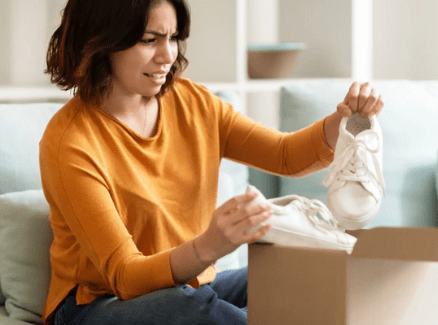
Sizing is one of the biggest culprits. Clothes and shoes are tricky to order online as there are no changing rooms, and no trying things on. Even with size guides, there’s a lot of guesswork involved. Brands often have inconsistent sizing, and what fits perfectly in one store might be completely off in another. Customers end up ordering multiple sizes to compare, with the intention of sending the rejects back - a practice known as bracketing.
The Product Looks Different In Real Life
We’ve all been there - scrolling through stunning product photos, only to open the box and think, “Wait, is this even the same thing?” Lighting, filters, and clever angles can make colours look brighter, fabrics seem richer, and textures appear different. When the item turns up and doesn’t match expectations, it’s back in the box and off it goes.
Poor Quality Or Defective Items
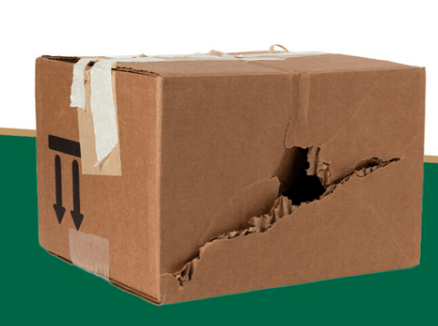
Nothing causes more customer frustration than receiving something that feels cheap, flimsy, or worse – damaged. When the quality doesn’t meet the price tag or if something arrives with a flaw, customers won’t hesitate to send it back. Whether it's faulty zippers, scratches, or missing pieces, the item goes straight to the returns pile.
Customer Changed Their Mind
Online shopping can feel a little too easy sometimes. It’s so simple to add things to the basket and check out that impulse buying is almost inevitable. But once the initial excitement fades, reality hits - and often, so does regret. Whether it’s guilt over spending too much or realising they don’t actually need that extra gadget, customers frequently change their minds.
Inaccurate Product Descriptions
When the description on the ecommerce store doesn’t quite match the reality, disappointment follows. Maybe the material feels different, the size of the item is off, or the features aren’t what was promised. If people feel misled, they’re quick to return the product.
Wrong Product Sent
This is surprisingly common and incredibly frustrating! Receiving the wrong item, size, or colour is a sure way to get that parcel sent straight back. Customers expect precision, and even a small error can feel like a big inconvenience.
Multiple Sizes/Colours Ordered For Choice
A lot of shoppers play it safe by ordering the same item in multiple sizes or colours with the full intention of returning the ones they don’t like (called bracketing, as we mentioned above). It’s a practical approach when unsure about fit or style, but it contributes massively to the rise in returns!
Gift Returns
Buying anyone a gift can be a gamble, and sometimes they miss the mark. Whether it’s the wrong size, style, or something the recipient simply doesn’t need, many items gifted during holidays or special occasions get returned or exchanged.
Subscription Errors
With the rise of subscription boxes and auto-renewal services, it’s easy for customers to forget they’re signed up for something. When another box of products lands unexpectedly, many people choose to send it back, especially if they weren’t planning on spending that money.
Late Delivery Or Missed Occasion
Timing is everything. If an item arrives too late for a special occasion - a birthday, wedding, or other special event - it often loses its purpose. When the moment’s passed, the item goes straight back.
Ethical Concerns
Increasingly, ecommerce customers are becoming more conscious of sustainability and ethical shopping. Sometimes, after purchasing, they may reconsider whether the item aligns with their values and return it as a result.
Better Deals Found Elsewhere
Online prices fluctuate constantly. If a customer spots a better deal after making a purchase, they might choose to return the item and buy it again at a lower price.
Issues With Packaging Or Presentation
Believe it or not, packaging matters. If an item arrives in shoddy packaging or looks like it’s been tossed around, customers may question its quality and opt to return it.
Poor Customer Service
Sometimes, customer dissatisfaction due to poor post-purchase service can push customers to return items. Whether it’s a lack of assistance, slow responses, or unhelpful support, a negative experience can make people decide they’re better off without the product.
Accidental Or Duplicate Orders
Have you ever added something to your basket twice or hit ‘Buy’ a bit too quickly? It happens! When customers realise they’ve ordered duplicates or the wrong item, sending it back is the obvious solution.
Return Fraud
Unfortunately, around 7.5% of all customer returns are fraudulent, typically involving wardrobing, where the buyer purchases clothes, wears them once and then returns them. Other, more sophisticated scams exist, but these are less common, although they can impact businesses significantly.
Right, we've probably covered just about every possible scenario that would lead to a customer returning an item bought from an online store, so now we need to understand why it's vital to limit this from happening.
We'll get to the part where we offer advice on how to reduce returns shortly, but it's important to fully understand the problem in order to tackle it effectively...
Why Are Customer Returns A Problem?
Online shopping is clearly booming. People love the convenience of browsing, clicking, and having their purchases magically appear at their doorstep. But here’s the downside: returns. And not just a few – a lot of them. While returning items is relatively easy for online shoppers, it’s a massive headache for ecommerce businesses. Behind the scenes, every return sets off a chain reaction of problems that can seriously impact a company’s bottom line. So, why exactly are returns so bad for online sellers? Let’s unpack it and find out...
The Costs
Returns aren’t just a minor inconvenience - they’re expensive. When an item comes back, the costs go beyond refunding the customer. There’s the price of shipping (sometimes covered by the business), handling, inspecting, repackaging, and restocking the item. If the product can’t be resold as new, there’s an even bigger problem. Add to that the cost of processing the refund, and you’re looking at a pretty hefty financial hit for every returned item.
Many online retailers offer free returns as a way to stay competitive, but that generosity often eats away at their profit margins.
On average, the combined cost of dealing with online business returns in the UK runs to around £7 billion a year.
Stock & Inventory Nightmare
Returns throw a spanner in the works when it comes to managing stock! When items come back, they need to be assessed, repackaged (if they’re still in perfect condition), and returned to inventory. But this isn’t always straightforward...
Some items can’t be resold as “new” and may need to be sold at a discount or through secondary channels, reducing potential profits. Seasonal or trendy items may come back too late to be resold, leaving retailers stuck with out-of-season stock that’s hard to shift.
This disruption in inventory flow can lead to overstocking, understocking, and a logistical nightmare that costs time and money.
High Return Rates Hurt Profit Margins
For most ecommerce businesses, profit margins are already tight. When returns become frequent, they chip away at those margins, sometimes leaving businesses barely breaking even, or worse, operating at a loss.
In the arena of fashion and footwear, return rates can skyrocket due to sizing inconsistencies and style preferences.
With such high rates, even small losses per return add up quickly, putting financial pressure on businesses that rely on volume to stay profitable.
Operational Disruption And Increased Labour Costs
Handling the returns process isn’t just costly, it’s labour-intensive. When items come back, warehouse staff need to inspect, sort, and process them. This takes time and manpower that could be spent on fulfilling new orders or improving operations.
For large-scale ecommerce operations, managing a high volume of returns can slow down order processing and create bottlenecks in the system. Smaller businesses, meanwhile, may struggle to keep up, leading to delays, errors, and very unhappy customers!
Environmental Impact And Ethical Concerns
Returns aren’t just a financial burden, they’re an environmental one too. Every returned item contributes to increased carbon emissions from transportation, packaging waste, and the disposal of unsellable goods.
The harsh truth is that many returned items can’t be resold and end up in landfills. As much as £5 billion worth of returned goods is thrown into landfill sites every year. This contributes an estimated 15 million metric tonnes of CO2 emissions globally.
This is clearly unsustainable, and something has to be done to improve this situation.
Lost Sales
When a customer returns an item, it’s not just a refund (if it's eligible for one), it’s a lost sale. If they don’t exchange the item or make another purchase, that potential revenue is gone. Worse still, if their experience was negative, they may never return to the site, leading to long-term customer loss.
This is also linked to customer reviews; around 80% of potential customers won't consider using an online store with bad ratings and reviews. And most people will abandon a brand if they feel they've had a negative experience. The lesson here is that customer satisfaction is paramount!
How To Reduce Ecommerce Returns
Okay, we've given you a huge amount of information to digest, and we're rapidly approaching the halfway mark in our blog, so it's high time we got to the part where we offer the promised advice. Admittedly, we've painted a pretty negative picture of the situation so far, but don't despair! It is entirely possible to reduce the volume of customer returns and limit the stress, cost and damage caused.
But how exactly can you do this?
Let's find out...
Make The Returns Process Easier
Yes, it seems counterintuitive, doesn't it? After all, you want to cut down returns, not make it easier for customers to return goods!
However, remember what we said earlier about customer satisfaction? Statistics show that 92% of customers are likely to come back and make future purchases if the returns process is optimised and they have a positive experience.
The key to success here is to streamline the process and make it more efficient and keep customers engaged. You also need to consider offering free return shipping along with outstanding customer service to foster customer loyalty.
Tighten Up Your Returns Policy
On the other side of the coin, a lenient returns policy (as suggested above), although great for customer satisfaction, can also invite abuse and unnecessary returns. Striking a balance between flexibility and accountability is essential!
You can refine your returns policy by:
- Setting realistic return windows - Avoid overly long return periods that encourage second thoughts.
- Implementing a restocking fee for high-risk items - This can discourage unnecessary returns.
- Be very clear about what qualifies for a return - Spell out acceptable reasons for returning items.
Consider offering store credit or exchanges instead of cash refunds. This keeps the revenue within the business while still offering a solution for the customer.
Accurate Product Descriptions
One of the biggest reasons customers return items is that they’re not what they expected. Maybe the colour’s off, the material feels different, or the size is way off. All of this points to one thing: misleading or incomplete product descriptions.
You can fix this by being brutally honest and giving customers a realistic idea of what they’re getting. Include details about the fabric, texture, fit, and any quirks they should know.
Use precise dimensions instead of vague terms like “medium” or “large.” Provide exact measurements for size, length, and width. If a dress size runs smaller than average or a gadget requires assembly, say so! Transparency builds trust and prevents disappointment.
Consider adding comparison charts or fit guides that show how your sizing compares to popular brands, as it helps future customers make informed decisions.
Manage Customer Expectations
Flashy marketing campaigns that over-promise and under-deliver are a recipe for high return rates! If customers feel misled by exaggerated claims or misleading promotions, they’re likely to send their purchases straight back.
The best way to avoid this pitfall is by being authentic and honest with your captions and descriptions. Highlight the genuine benefits of your product without overselling it, and you'll get the customer on your side.
In addition, if there’s a chance that the item will be delayed, be upfront about it. When you keep customers informed, they are less likely to become annoyed and impatient.
Improve The Customer Journey
At the end of the day, you want satisfied customers. The best way to do this is by tightening up operational efficiency to make things run as smoothly as possible.
In essence, take a good look at how you run things and see what can be tweaked to improve the customer's buying journey. Analyse available information, such as purchase history and customer preferences, and make data-driven decisions that streamline the order fulfilment process.
Make Customer Feedback Your Secret Weapon
User-generated content is pure gold when it comes to reducing returns! Positive reviews, photos, and videos from real customers help set realistic expectations and give potential buyers a better idea of what to expect.
You can boost this by encouraging honest feedback. Ask your customers to leave detailed reviews about sizing, fit, quality and overall satisfaction. You could also highlight reviews that answer any common concerns, such as a certain size being particularly small.
If you're tech-savvy, use AI tools to analyse reviews and trends to identify recurring issues that could be contributing to a high number of returns.
The best way to win this is to address these concerns rather than avoid them!
Reward Customers For Keeping Their Purchases
Positive reinforcement works wonders! Rewarding customers who don’t return items can encourage more thoughtful purchasing decisions and create a sense of satisfaction that goes beyond the initial sale. When customers know they’ll be rewarded for keeping their purchases, they’re more likely to carefully consider their choices before hitting the “Buy” button, leading to fewer impulse buys and ultimately, fewer returns.
You can achieve this using the following incentives:
- Offer loyalty points for non-returned items - Customers love earning rewards that they can redeem later, and loyalty programmes are a powerful way to reinforce positive behaviour. By giving points or credits to customers who keep their purchases, you’re not only encouraging them to think twice before returning, but also increasing the likelihood of repeat business. Over time, this system can create a solid customer base that’s motivated to make more mindful purchases.
- Create incentives for leaving positive reviews - Encourage customers to share their satisfaction if they decide to keep an item. Honest, positive reviews not only boost your brand’s reputation but also help future buyers make informed decisions, reducing the risk of returns from new customers. You could offer small rewards, such as a discount on their next purchase or additional loyalty points, for leaving detailed feedback that highlights why they chose to keep the item.
- Introduce “no return” bonuses for eco-conscious customers - Educate customers about the serious environmental impact of returns and offer perks for choosing to keep their items. Many customers today are increasingly mindful of sustainability, and positioning your rewards programme as an eco-friendly initiative can resonate deeply. Offer exclusive discounts, early access to sales, or even donations to environmental causes as a way of thanking customers who opt to keep their purchases. This approach not only reduces returns but also strengthens your brand’s reputation as an environmentally conscious business.
- Run “Keep It” campaigns with added incentives - Consider introducing limited-time campaigns where customers who keep their items for a certain period receive additional perks. This could be in the form of bonus loyalty points, exclusive discounts, or even a chance to win prizes. These types of campaigns add an element of excitement and anticipation, making customers think twice before returning an item.
A small reward can go a long way in fostering brand loyalty and reducing unnecessary returns! When customers feel appreciated and rewarded for making mindful choices, they’re more likely to stay engaged with your brand and far less likely to send items back.
Invest In High-Quality Product Images
Customers rely heavily on visuals to make purchasing decisions, so anything less than crystal-clear, high-quality images can lead to mismatched expectations, and - ultimately - returned goods.
Here are some helpful tips that might improve your shots:
- Show the product from multiple angles - Let customers see it from every perspective, so they know exactly what they’re getting.
- Use product videos to demonstrate usage - A short clip showing how a product works or fits gives customers a better sense of its real-world performance. Walk customers through how to use, maintain or construct items, as this shows that you're going out of your way to help them.
- Include a zoom feature - Letting customers zoom in on fabric textures, stitching, or intricate details can reduce the likelihood of surprise disappointments.
Always try to show the product in context. For clothing, display it on models of different body types. For home décor, place it in a realistic environment. This helps customers visualise how it will look or feel in their own lives. It's all about enhancing the customer experience!
Returnless Refunds
This is where you provide customers with a refund without all the hassle of the returns process. While it's really only viable for low-value items (especially personalised goods that are difficult to resell), it avoids the costs and bother associated with the reverse logistics process.
It's also another way of retaining loyal customers, as it builds goodwill and makes it more likely that they'll buy from you again.
Many of the biggest names in ecommerce are already adopting this system (including Amazon), and it's proving very popular!
Provide Exceptional Customer Support
Sometimes, returns happen because customers simply need a little extra guidance or information. A quick chat with a knowledgeable support agent can often prevent a return altogether.
Here's how you can optimise your customer service operations:
- Offer live chat with product experts - Real-time answers to customer questions can solve problems before they escalate.
- Provide detailed FAQs and troubleshooting guides - Anticipate common questions and make the answers easy to find.
- Encourage customers to reach out before returning - Sometimes, a minor issue can be resolved without the need for a return.
Follow up with customers after their purchase to see if they’re happy with their item. A proactive approach can reduce return rates significantly!
Outsource Order Fulfilment To A Third-Party Provider
So far, we've suggested practical ways to reduce returns of purchases from your ecommerce site. These have all been fairly straightforward and achievable methods that can be applied to your own business, so our last suggestion may seem to be a bit of a curveball!
But stay with us here as we briefly explain why outsourcing customer orders to a company like Direct Fulfilment could drastically reduce ecommerce returns...
Improved Accuracy In Order Picking And Packing
A 3PL (Third-Party Logistics) company like Direct Fulfilment 365 specialises in precision and efficiency. They use advanced technology, such as barcode scanning, automated inventory systems, and AI-driven algorithms to ensure that the right items are picked, packed, and shipped.
This dramatically reduces the risk of customers receiving the wrong item, size, or colour - one of the leading causes of returns. With fewer fulfilment errors, customer satisfaction increases, and the likelihood of returns plummets.
Check out our post “What is a pick and pack service”.
Professional Quality Control And Inspection
3PL companies implement rigorous product quality control measures to inspect items before they’re shipped. Any defective, damaged, or incorrect items are flagged before they reach the customer, minimising the chance of receiving faulty goods and the subsequent need for returns.
Some 3PLs even use AI-powered systems to identify patterns in defects and address potential issues before they become widespread. This proactive approach helps reduce returns caused by quality concerns.
Faster And More Reliable Shipping
Late deliveries often lead to returns, especially when items arrive too late for a special occasion. 3PL providers offer optimised shipping solutions with faster turnaround times and real-time tracking, ensuring that customers receive their orders promptly, reducing the likelihood of “missed occasion” returns.
By partnering with multiple carriers, 3PLs can also offer more flexible delivery options and select an appropriate shipping company that will cater to the customer’s schedule, further enhancing the delivery experience.
In addition, third-party logistics companies can negotiate much better rates than individual ecommerce businesses, meaning that you save money on shipping costs.
Optimised Packaging To Prevent Damage
3PLs are experts in packaging optimisation, using materials that protect items effectively during transit. Proper packaging reduces the risk of items arriving damaged, preventing returns due to poor condition.
Many 3PLs also offer eco-friendly packaging options, appealing to environmentally conscious customers. Additionally, these providers conduct regular packaging audits to ensure materials and techniques are consistently effective in preventing transit-related damage.
Read our post "What is 3PL fulfilment and why do growing businesses need it".
Enhanced Customer Support And Return Management
Many third-party logistics providers offer customer service and streamlined return management systems via a dedicated returns portal. Their professional handling of return requests, exchanges, and troubleshooting can often resolve customer concerns without the need for a return, leading to higher customer satisfaction and fewer unnecessary returns.
Some 3PLs also integrate directly with e-commerce platforms, providing real-time updates to customers and reducing confusion or dissatisfaction that could lead to returns.
The Bottom Line
Whatever you take away from this blog, it's crucial to take returns seriously before it's too late. Whether you take on board all of the above suggestions or maybe just a couple, any action you take could be critical in the future success of your ecommerce business.
From a purely economic and practical viewpoint, the final suggestion - outsourcing your order fulfilment and returns process to a company like Direct Fulfilment 365 - is by far the best option.
Not only is the burden of dealing with the entire process lifted from your shoulders, but our expertise ensures that 99.9% of orders are completed accurately and delivered on time. And if there are any queries, we'll deal with these as well! In the event that goods are returned, we handle the re-stocking, recycling, refurbishment or sensitive disposal of the items.
But wait - there's more! Because we're taking care of order fulfilment, you have more time to devote to other areas of your business, such as marketing strategies, product development and all the practical tasks that will improve your chances in a highly competitive market.
Together, we can streamline the order fulfilment process, exceed customer expectations and virtually eliminate ecommerce returns. While we may not rule them out completely, it's possible to reduce them to a sustainable level so they won't negatively impact your business.
If you need help getting customer returns under control, contact Direct Fulfilment 365 now, and we'll form a partnership that minimises returns and maximises success!