If you run, own or manage a business of any kind, you'll probably be familiar with the word 'fulfilment'. Whether it's B2B, D2C, an online store or a traditional brick-and-mortar shop, fulfilment is an essential part of the process.
Order fulfilment is the cornerstone of effective, successful business operations; if you handle any stage of the fulfilment process badly, you risk alienating your customer base, which can severely dent your profit margins. Poor reviews and negative ratings will, eventually, put your entire business at risk. Customer expectations are higher than ever these days, and it's vital to meet - or even exceed - these whenever possible.
While many businesses deal with the fulfilment process in-house, assuming that it is the most cost-effective option, others are discovering the benefits of using a third-party fulfilment provider. One of the benefits often mentioned is that outsourcing the fulfilment process can offer significant savings, while in-house fulfilment sometimes has unexpected - and unwelcome - costs.
In this special Direct Fulfilment 365 blog, we're looking into this topic to give you the full facts. Armed with this knowledge, you'll be able to make informed business choices that increase your chances of success in a competitive market.
In-House Fulfilment - What Are The Costs?
In-house or self-fulfilment carries several costs, some of which are obvious and others that come as a shock to many of those who immerse themselves in the world of retail sales.
To find the hidden costs, we need to examine every area where you'll be expected to invest capital relating to your fulfilment process.
And we're starting things off with a pretty significant hidden cost factor:
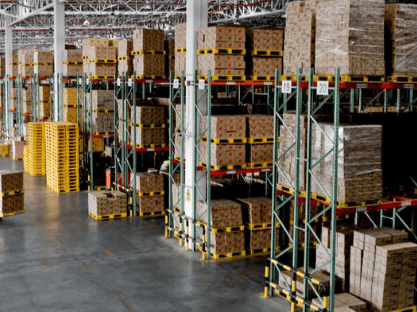
Warehousing Costs And Storage Expenses
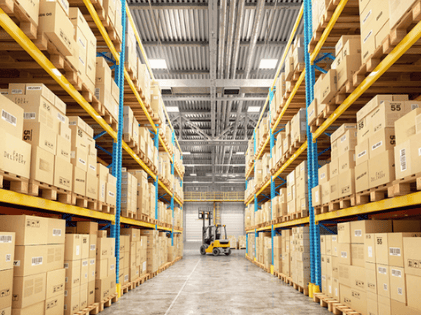
Storing inventory isn’t just about having enough physical space to stack boxes; it comes with a whole range of other costs that many businesses overlook. It’s easy to assume that once you’ve sorted out adequate warehouse space, the hard part is over. But in reality, storage facilities require constant upkeep, and these expenses can quickly spiral.
Whether you rent or own a storage facility, you're not just paying for the square footage - you’re also covering a host of additional costs, including:
- Rent or mortgage payments – A major ongoing expense that fluctuates depending on location, warehouse size, and market conditions. In high-demand areas, rental costs can skyrocket, putting further pressure on profit margins.
- Property insurance and taxes – Essential yet often expensive, especially for larger warehouses or those storing high-value or fragile goods that require specialist cover.
- Security systems and personnel – Theft, vandalism, and accidental damage can lead to huge losses, making robust security essential. This means CCTV, alarm systems, access control, and often dedicated security staff - each adding to the overall cost.
- Climate control and maintenance – Many products, from food and pharmaceuticals to electronics and cosmetics, need carefully controlled temperature and humidity levels. Running industrial heating, cooling, and ventilation systems not only adds to energy costs but also requires regular servicing and repairs to prevent breakdowns.
On top of all this, these costs aren’t always predictable. Seasonal demand can throw everything off balance - one month, your warehouse might be overflowing, and the next, you’re paying for half-empty space. This inefficiency means businesses often spend far more than necessary, tying up capital in underused storage and reducing overall profitability. When these hidden expenses start piling up, what initially seemed like a cost-effective approach to fulfilment can quickly turn into a financial drain.
Labour Costs
If you have a warehouse, you'll need staff to work there!
After all, you can't exactly do all the warehouse operations such as picking, packing and shipping yourself, can you? Joking aside, this may be a sore point for small businesses, where family members and friends are often roped in out of necessity (and even desperation) to fulfil orders on time.
However, this isn't a sustainable or particularly healthy way to run things. In the end, you'll need to employ staff, either on a temporary or full-time basis.
Taking on staff carries a raft of costs that you need to consider, such as:
- Salaries, wages, and overtime pay
- Recruitment, training, and retention expenses
- Employee benefits, including pensions and healthcare
- Sick leave, holiday pay, and unexpected absences
And as your business grows or fluctuates with the seasonal demand and trends, you need to adapt and evolve. This means taking on extra staff when necessary and letting people go during slack times.
Maintaining sufficient staff levels can be challenging and costly!
Packaging Costs
This is a tricky area, as you might assume that packaging materials can be sourced at a low cost. While that’s technically true, the reality is more complex. Opting for cheaper materials can often backfire, leading to damaged goods, lost orders, and disappointed customers. A flimsy box or weak adhesive might not seem like a big deal - until a customer receives a crushed parcel or missing items due to packaging failure.
Beyond the financial cost of replacements and refunds, poor packaging creates a negative impression of your online store or ecommerce business. Customers associate careless, substandard packaging with a lack of professionalism, and this can impact your brand reputation, customer retention, and, ultimately, sales. In today’s competitive market, where unboxing experiences are widely shared on social media, packaging is as much about brand perception as it is about protection.
For these reasons, it’s worth investing in high-quality packaging materials and essential fulfilment equipment, such as:
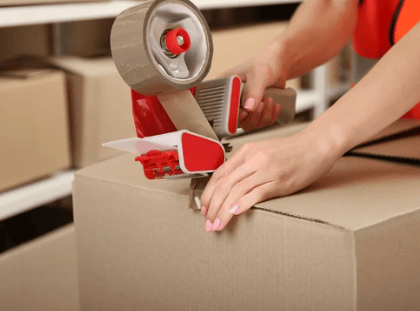
- Boxes, tape (and tape dispensers), and labels - These are the basics, but they are crucial for keeping orders secure and properly identified.
- Padded envelopes, bubble wrap, packing 'peanuts' or filling paper - Necessary for protecting fragile or delicate items during transit.
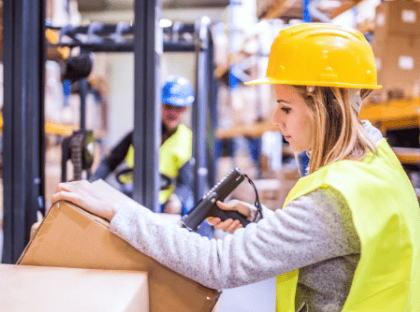
- Barcode scanners, adequate shelving, and racking - These improve efficiency, helping to streamline inventory management and order processing.
- Packing stations and automation tools - Investing in these can significantly speed up fulfilment and reduce errors, saving both time and money in the long run.
Although buying in bulk can help lower costs, businesses need to strike a careful balance between maintaining sufficient stock levels and avoiding unnecessary storage costs or material wastage. Overstocking can tie up cash flow, while under-ordering can cause costly delays and fulfilment bottlenecks. By carefully managing packaging supplies, businesses can improve efficiency, reduce waste, and ensure that every order leaves their warehouse in perfect condition.
Shipping And Carrier Fees
Businesses often find it challenging to secure competitive shipping rates because they simply can’t match the order volumes that third-party logistics (3PL) providers handle. Carriers typically offer better rates to high-volume shippers, meaning smaller businesses end up paying more per parcel. But higher base rates aren’t the only issue - there are plenty of hidden charges that can quickly eat into margins, including:
- Dimensional weight pricing - Many couriers don’t just charge by weight; they also factor in the size of the package. This means that even lightweight but bulky items can rack up unexpectedly high shipping costs.
- Last-mile delivery surcharges - The final leg of the journey, from the distribution centre to the customer’s doorstep, is often the most expensive and least efficient part of the process. Rural deliveries, peak-time surcharges, and extra handling fees can all push costs even higher.
- Address correction fees - Even a minor typo in a delivery address can trigger additional charges. Couriers charge for rerouting or correcting incorrect addresses, adding another layer of unexpected expense.
- Returns processing and customer service - Handling returns isn’t just about accepting packages back; it involves restocking, quality checks, potential repackaging, and customer support - all of which add to fulfilment costs.
3PL providers like Direct Fulfilment 365, on the other hand, benefit from economies of scale. Because they process thousands - if not millions - of shipments, they have pre-negotiated contracts with carriers that secure them significantly lower rates. These savings are often passed on to their clients, helping businesses cut costs while still offering competitive shipping options to customers. Plus, with streamlined processes and optimised logistics networks, 3PLs can reduce the risk of costly delays, errors, and inefficiencies, ultimately improving both profitability and customer satisfaction.
Technology And Software Investments
Efficient fulfilment isn’t just about having enough stock on hand - it requires robust, integrated systems to manage inventory, process orders, and track shipments in real time. Without the right technology, businesses risk stock discrepancies, delayed deliveries, and errors that frustrate customers and eat into profits. The challenge is that these systems don’t come cheap, and the costs go far beyond the initial setup. Businesses need to invest in:
Warehouse Management Software (WMS)
Essential for tracking inventory levels, optimising storage space, and ensuring efficient picking and packing. Without it, businesses may struggle with misplaced stock, order delays, and wasted time searching for items.
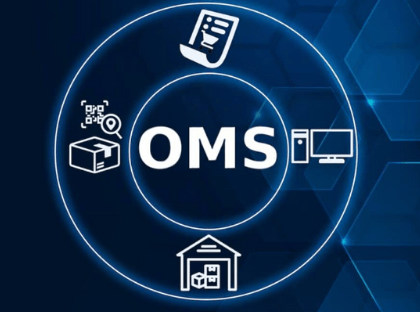
Order Management Systems (OMS)
Helps synchronise sales channels, ensuring that stock availability is accurate across marketplaces and preventing overselling or stockouts.
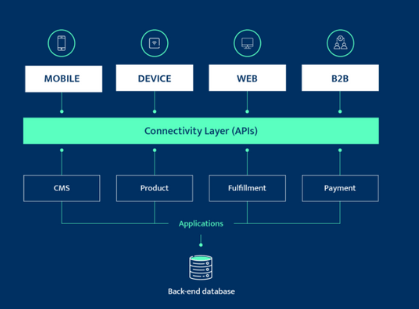
API Integrations With eCommerce Platforms
Seamless connectivity between warehouses, online stores, and carriers is crucial for smooth operations, but developing and maintaining these integrations can be costly and complex.
IT Maintenance And Security
With cyber threats on the rise, businesses must invest in secure systems to protect sensitive customer data and prevent costly breaches. Regular system updates, data backups, and security patches are all necessary ongoing expenses.
On top of these costs, businesses also face ongoing licensing fees, training costs for staff, and regular software updates to keep systems running efficiently. Without continuous investment, outdated systems can cause bottlenecks, inefficiencies, and errors that disrupt fulfilment and lead to customer dissatisfaction. While technology is a crucial asset, managing these systems in-house can become a significant financial and operational burden.
Scalability Challenges
All businesses must adapt to changing conditions - this is the general rule. Commerce is fluid and dynamic, and any business that stagnates will be left behind. While growth at any cost is never a wise strategy, businesses should always strive to grow at a sustainable rate.
Even so, scaling an in-house operation isn’t just about growing - it’s about managing that growth efficiently. Expanding means investing in more warehouse space, hiring additional staff, and purchasing extra equipment, all of which can lead to sudden and unpredictable cost spikes. Unlike a steady, gradual increase, scaling often requires significant upfront investment, and if demand doesn’t stay consistently high, these investments can quickly turn into financial burdens. Businesses may also face challenges such as:
- Seasonal demand fluctuations - A surge in orders during peak seasons requires more resources, but when sales slow down, businesses may be left with excess capacity and high overheads.
- Inefficiencies in handling peak periods - Scaling too quickly without optimised processes can lead to errors, delays, and overwhelmed staff, ultimately harming customer satisfaction.
- The cost of unused resources during off-seasons - Warehouses, equipment, and staff can become unused when demand drops, yet businesses must still cover wages, rent, and maintenance costs.
Without careful planning, businesses can find themselves trapped in a cycle of overspending during busy periods and struggling to cut costs when sales dip. The unpredictability of scaling in-house operations can make it difficult to maintain profitability, especially when rapid changes in market conditions or consumer behaviour come into play.
Now that we've covered the main costs involved, it's time to check out the cost efficiency of outsourcing fulfilment.
Is Outsourcing Order Fulfilment Cheaper?
On the whole, experts suggest that businesses can save money by outsourcing their fulfilment operations to a 3PL provider. It's estimated that most can reduce costs by around 15%, although this depends on the business and the outsourced provider. However, the benefits aren't limited to purely financial aspects - at least in the long term. Improved cost effectiveness, coupled with streamlined order processing and better customer relationship management, can dramatically boost your brand status, and that's a valuable commodity these days.
Positive customer feedback goes a long way to securing brand loyalty among consumers who are notoriously fickle and difficult to please.
But to return to our main theme, here's an overview of how outsourcing your fulfilment and logistics infrastructure to a fulfilment company like Direct Fulfilment 365 could be cheaper than handling this yourself...
Lower Overheads And Fixed Costs
Third-party suppliers take on many of the costs that come with warehousing, technology, and labour, significantly reducing the financial burden on businesses. Instead of sinking money into securing their own facilities, with long-term leases, storage fees, staffing, and equipment, companies simply pay for the space and services they actually use. This transforms hefty fixed expenses into flexible, variable costs that scale with demand.
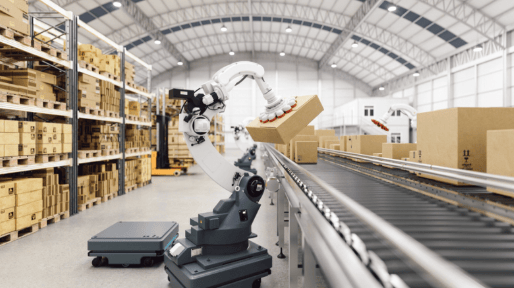
Take the Direct Fulfilment 365 fulfilment centres, for example. Each one is already fully equipped with trained staff, optimised storage systems, and advanced technology to ensure smooth, efficient order processing. There’s no need for businesses to worry about hiring and training warehouse employees, maintaining expensive equipment, or troubleshooting logistical issues – we handle everything for you! With a dedicated team managing inventory, picking, packing, and shipping, businesses can focus on growth, knowing that their fulfilment operation is running efficiently behind the scenes.
Additionally, we continuously invest in the latest technology and automation tools, meaning businesses benefit from state-of-the-art fulfilment processes without having to make significant investments. This ensures orders are processed swiftly and accurately, reducing errors, improving customer satisfaction, and eliminating the need for direct oversight.
Take a look at our post "Fulfilment centre pricing UK".
Access To Bulk Shipping Discounts
In essence, 3PLs process vast numbers of shipments every day, giving them strong negotiating power with major carriers. Because they operate at such a large scale, they can secure bulk discounts on shipping rates that individual businesses simply wouldn’t be able to access. These cost savings are then passed on to clients, helping to reduce overall shipping expenses while still maintaining reliable and efficient delivery services.
Beyond discounted rates, 3PLs also have established relationships with multiple carriers, allowing them to optimise shipping routes, reduce transit times, and minimise costly surcharges. This means businesses not only save money on overall shipping costs but also benefit from faster shipping speeds and more reliable deliveries.
With access to a 3PL’s shipping network, companies can offer competitive delivery options without absorbing the full cost themselves, making outsourced fulfilment a financially smarter choice.
Flexible Scalability
We can adapt our service as needed, providing additional storage, labour, and resources during peak seasons without requiring significant upfront investment from the business. This flexibility is invaluable as it allows companies to handle surges in demand - such as holiday shopping periods or promotional events - without the stress of hiring temporary staff, renting extra warehouse space, or purchasing additional equipment.
When demand slows down, businesses aren’t left paying for unused resources, as the 3PL simply adjusts services accordingly. This eliminates the financial strain of maintaining excess capacity year-round and ensures businesses only pay for what they actually use. Using our infrastructure, your business scales without the risks and long-term commitments that come with self-fulfilment operations.
Time Savings For Business Growth
Managing your own fulfilment requires significant time and effort. Outsourcing allows business owners to focus on important business tasks, such as marketing and business development, rather than logistics infrastructure.
Is It Time To Outsource?
While handling your own fulfilment in-house might seem cost-effective at first, hidden expenses can quickly add up – as we've seen above. Outsourcing to Direct Fulfilment 365 can reduce your overheads, improve efficiency, and offer long-term savings. By carefully evaluating fulfilment costs, businesses can determine whether outsourcing is the best financial decision, and we're happy to work through this process with you.
And if you're concerned about losing direct control over processing orders, then we can put your mind at ease: You have real-time access to inventory and stock levels, as well as useful metrics and reports to help you make wise business decisions.
If you're still unsure, why not contact us at Direct Fulfilment 365? We'll help you assess your current fulfilment costs and explain how we can help you save money while improving your business operations.